Menu
Menu

Do rooflights need planning permission?

Roof windows, skylights, and rooflights can enhance a space by bringing in natural light and improving aesthetics. However, before installation, it’s important to check whether planning permission is required for roof windows or skylights to ensure compliance with UK regulations. While many projects fall under Permitted Development (PD), some may need approval—especially in conservation areas or listed buildings.

Even if planning permission isn’t required, homeowners must ensure their project follows skylight regulations. Failing to comply with government guidelines could lead to fines or even require reversing the work. Checking the rules early in the planning process can help avoid costly mistakes and delays.

Understanding roof window regulations and planning permission requirements is essential before starting any rooflight installation. This guide will walk you through key government rules, building regulations, and permitted development criteria for rooflights and skylights.

This article will cover:

  • Are roof windows and skylights permitted development?
  • Do I need building regulations approval for rooflights?
  • Building regulations for roof lights and skylights
  • UK government guidelines on planning permission for roof windows
  • Do you need planning permission for roof windows or skylights?
  • Can I install a skylight in my house without permission?
  • Rules on skylight extensions and rooflight installations
  • Loft conversion rooflights: do you need permission?
  • Do I need planning permission for a roof lantern?
  • Roof windows and skylights in listed buildings or conservation areas


Architect Hub Hero Image
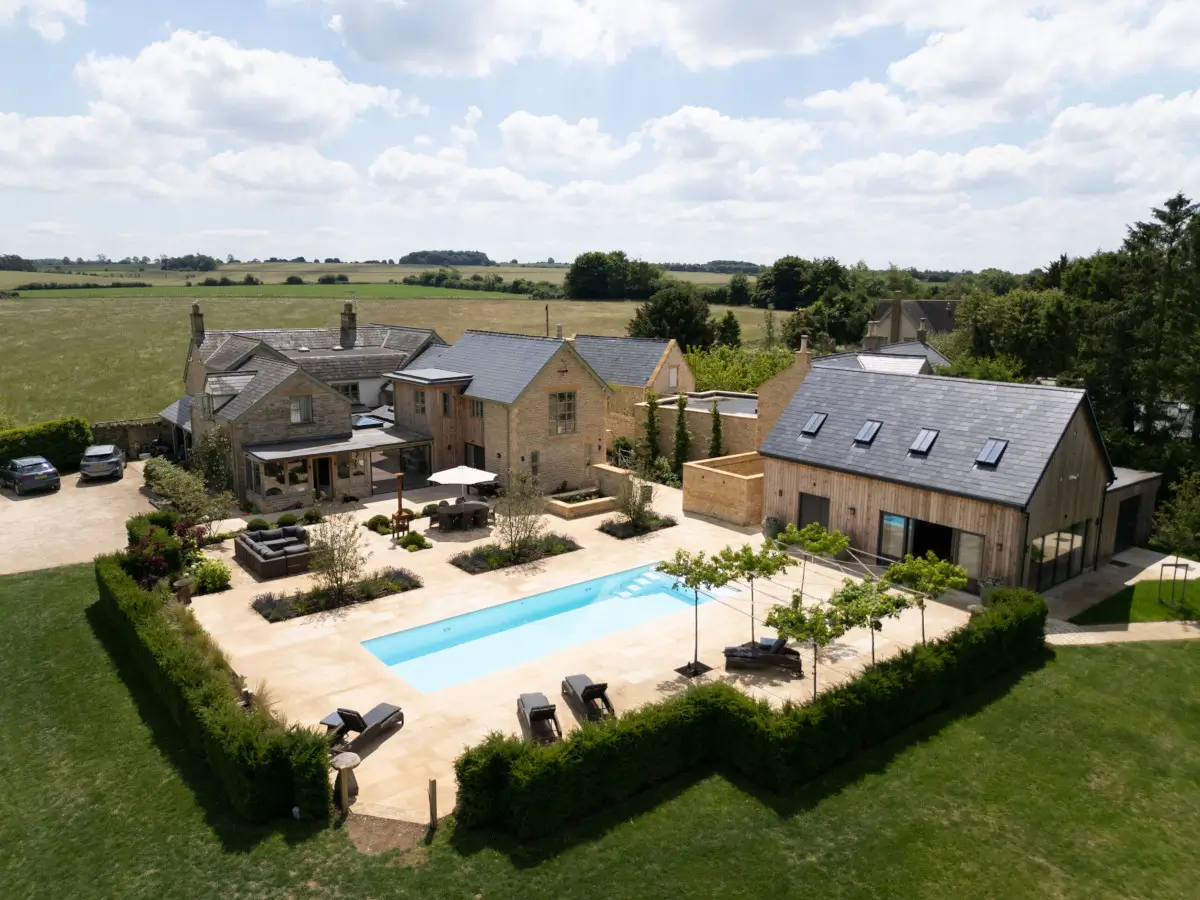
Home from above with pitched roof and conservation rooflights.

Are rooflights permitted development?

There are some types of work you can do on a building, such as adding rooflights to your ceiling, without applying for planning permission. This is because of permitted development rights. You are typically granted these rights automatically by the government, not by a local authority, and only if you live in an area that is not restricted.

Buildings that are listed or located in a conservation area are not often given the same permitted development rights as other properties. They will most likely need roof window planning permission. Common restricted or “designated” areas in the country are often found in:

  • A world heritage site
  • The Norfolk or Suffolk Broads
  • A conservation area
  • An area of outstanding natural beauty


If your house is not located in one of these designated areas, then the property’s development rights should already be permitted. Nevertheless, it is incredibly important that you double-check that rooflights are a permitted development for your home. It can be possible for local planning authorities to remove some of your permitted development rights and require you to apply for permission.

Local authorities can only do this by issuing an “Article 4 direction” when the character of an acknowledged area of importance is threatened. You should know if your property is affected by an Article 4 direction, but it’s still best to ask before you start any real work on your property.

Learn more about conservation rooflights.

Do I need building regulations approval for a rooflight in the UK?

Luckily, through permitted development rights, a majority of buildings will be able to install skylights without planning permission. Most alterations to roofs are considered a part of permitted development. However, there are still certain limits and parameters that everyone must follow when it comes to installing roof windows.

A roof will need to be altered considerably in order to install a skylight, and approval under certain building regulations is generally needed. These regulations are set to ensure the following:

  • After installation, the roof will still be able to carry the weight of the skylight.
  • The installed rooflight is proved to be energy efficient, has sufficient insulation, and is able to protect against heat loss.
  • If the rooflight is installed close to a boundary, the fire performance is carefully considered.


Other building regulations are focused on ventilation, security, energy conservation, and weatherproofing. For example, edges around the rooflight – where the rooflight and roof meet – should be properly sealed and secured against any outdoor weather. This can be done with lead flashing or proprietary kits. Reputable rooflight manufacturers such as The Rooflight Co will typically offer advice and assistance with proper rooflight weatherproofing.


Building regulations on energy conservation

Energy efficiency is essential for all dwellings. This means that the walls, ceilings, windows, and doors of any house should be able to successfully prevent the loss of heat. Building regulations detail the maximum amount of heat that is acceptable to pass through windows and doors. This is measured as a U-value. Part L of the Building Regulations sets the limiting factors that your rooflights need to comply with, so make sure to talk to your building contractor or architect.

Homeowners with automatic planning approval will still need to adhere to these building regulations. If you live in a listed or conservation building, there may be more regulations you will have to follow, specific regulations that are related to the aesthetic and outward appearance of a home.

Read more on the gov.uk website here.

What are the government’s building regulations for skylights?

Government guidelines detail a few major building regulations for skylights. These rules are specifically for buildings that do not contain flats, were never once a non-residential building, and were not built as a “New Dwelling house” under permitted development rights. Read through the government’s technical guidance on permitted development for householders to be sure your building qualifies.

If your current house meets these conditions, any alterations you do to your roof when installing a rooflight must be contained within these limitations:

  • Your rooflight cannot project more than 150 millimetres from the plane of your roof’s existing slope.
  • It must not exceed the height of the existing roof.
  • Any side-facing windows must be obscure-glazed.
  • If it is an opening rooflight, it has to be 1.7 metres above the floor of the room in which they are installed.


Remember that rules may differ when it comes to other types of alterations you may do to your roof, such as loft conversions, any upward extensions, and adding solar panels.

Seabreeze - Internal view of a neo rooflight. Homeowners Hub Inspiration
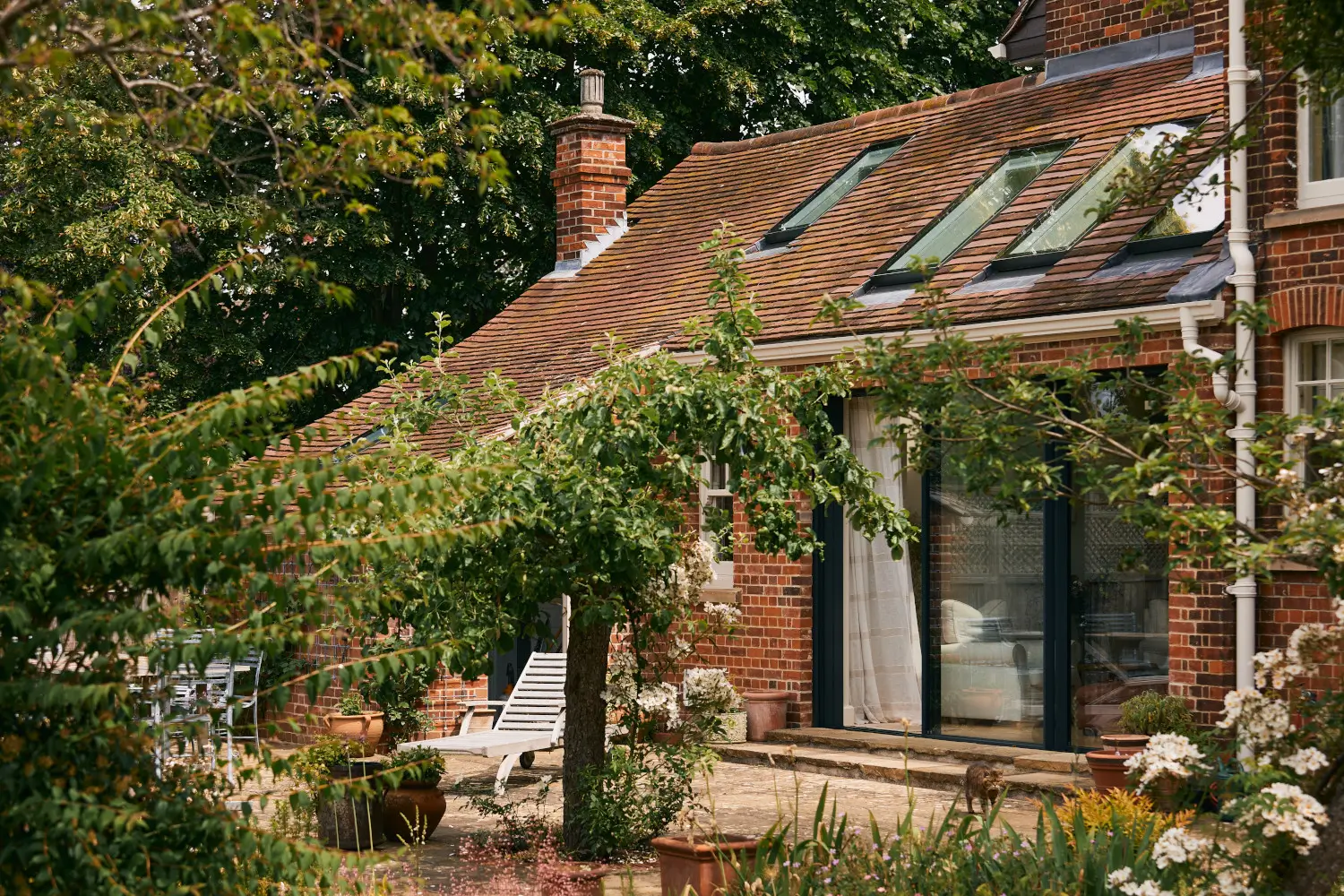
Teddington House - Modified Exterior Close up (1)
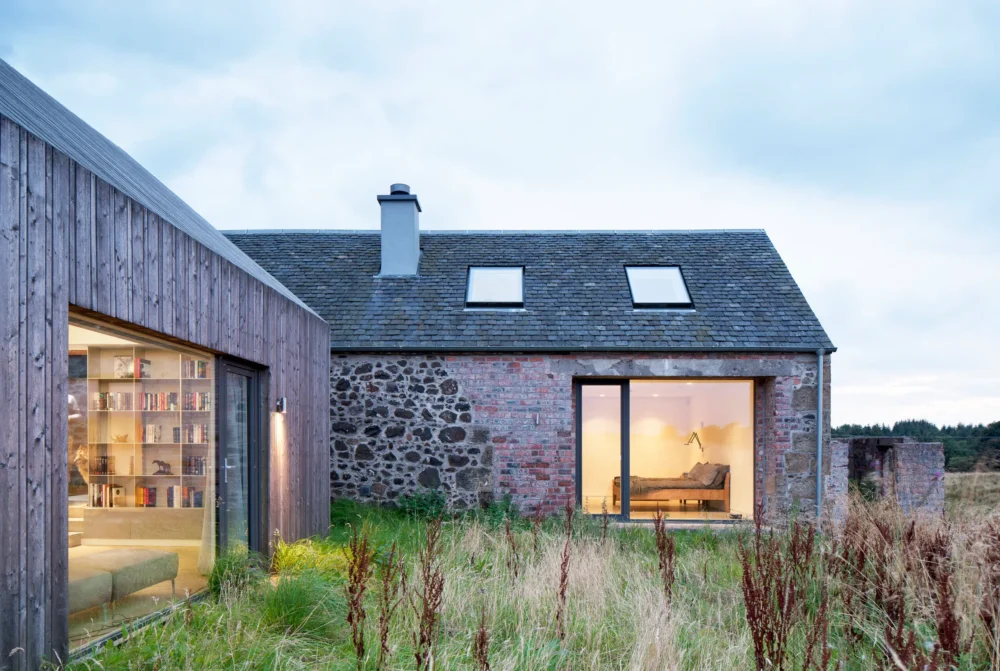
Artemis Barn_Award Winning Project with Linked Conservation Rooflights

Can I put a skylight in my house?

Skylight extension

Adding a skylight to an existing extension is normally an uncomplicated process. If the extension has a flat roof, then there is a high chance you won’t need any roof window planning permission (as long as the protrusion or the rooflight is no more than 150mm above the existing roof level).

However, it is a little different if you are looking to build a skylight extension to your home. Houses that were created through permitted development rights may not have those rights automatically extended to additional development, such as extensions. The skylight itself should be considered a part of the overall, wider project, but it’s also important to contact local planning authorities and discuss with them your plans before any work is started.

Rooflights in listed buildings or conservation areas

Building regulations for skylights in listed buildings or conservation areas have extra limitations and regulations. For one thing, these houses don’t automatically have permitted development rights, and they most likely will have an Article 4 direction made by a local authority.

Article 4 direction on a conservation house means that you will need planning permission before installing any rooflights. On top of that, you will also run into more limitations in how the rooflight is created, how it looks, and how it functions. Building regulations in conservation areas will limit the structural changes that can be implemented on the property in order to protect any historical or cultural significance.

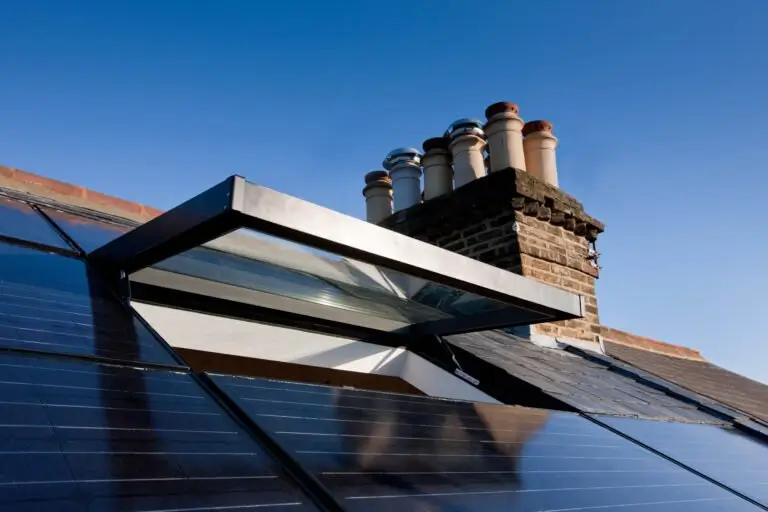
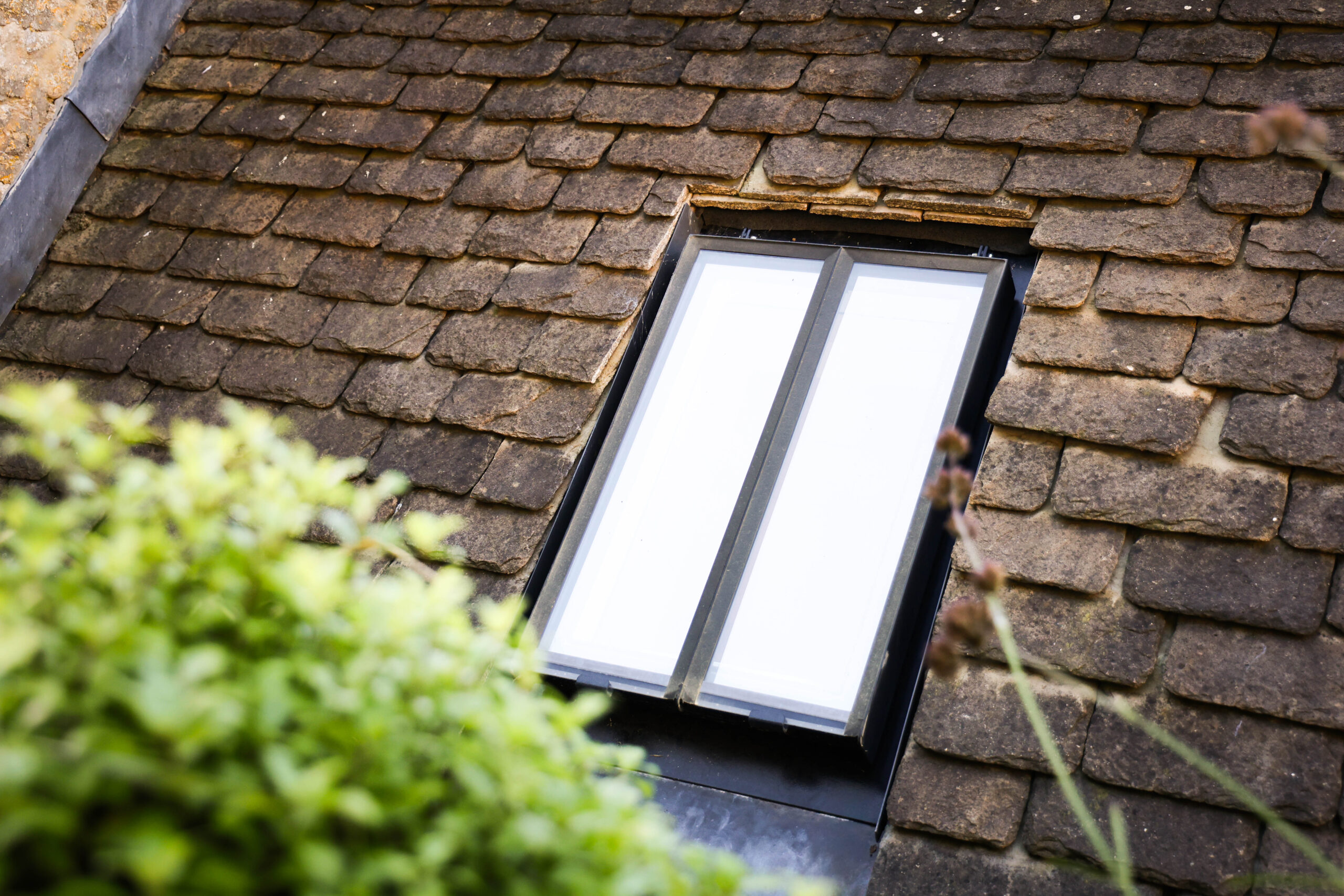
Luckily, special conservation rooflights are custom made to meet all the particular requirements set to protect listed properties or heritage buildings. These rooflights retain the character of a historic home by reflecting the aesthetic of the building and its surrounding area. Conservation rooflights will typically feature a smaller pane design, wrought iron, slim glazing bars, and a black finish to emulate the styles of windows in the Victorian era.

Some other features of conservation rooflights may include:

  • A slim, clean, and subtle design
  • Lower profiles and rooflights that are installed flush to the roof
  • A top hung design that has the window opening externally outward
  • A perfect blend of traditional design with modern technology such as double glazing, draught stripping, and thermal lining

Do you need planning permission for rooflights?

It is likely that you will not need planning permission for rooflight installation. Regardless, it is still very important to check with the relevant authorities before going ahead with a project.

In particular, it may be required in these few different instances:

  • If your house is located in one of the above restricted or “designated” areas
  • If your house does not qualify for permitted development rights
  • If the rooflight you plan to install will severely alter your roof past the limitations set in the government guidelines


If you do need planning permission, there’s no need to worry! You can easily find all the information and resources necessary on the Planning Portal website. This is a government-run directory that provides helpful guides, information, and applications for planning permission. You can even complete the applications online.

If you have any other questions or are looking for more guidance, speak to a member of our team today. Explore our entire range of rooflights, and find the perfect rooflight for your home.


Share on Social Media

Other Articles For You

Understanding Building Regulations for Rooflights: A Guide to Approved Documents F, K, L and O

When to Upgrade Your Rooflight (and How It Enhances Your Home)

FMB Survey Shows Why Rooflight Choice Matters in the Planning Process

The Rooflight Co. & Nicholsons Rooted In Light Series: Part 3 – Our Vision

The Rooflight Co. & Nicholsons Rooted In Light Series: Part 2 – Healthy Spaces

Standard vs Recessed Rooflight Installation: Understanding the Difference

Homeowners and Self-Builders - Neo rooflights flood a living area with natural light - Homeowner Hub. Helpful Guides: A Guide to Pitched Roof Windows

The Rooflight Co. & Nicholsons Rooted In Light Series: Part 1 – Why Daylight Matters

Courtyard view of Tew Farmhouse and Barns for the What Size Rooflight Do I Need? Blog - Contractor Hub header. Helpful Guides: What size of rooflight do I need?

Beyond the Landscape: How Neighbour Impact Can Affect Your Planning Permission

Talk To Our Technical Experts

Send us your details and our team will be in touch. 

TLC Logo June 2023-Solid Black

Connect With Our Technical Experts

TLC Logo June 2023-Solid Black

Register Your Product

Our standard terms and conditions of sale provide a warranty of 12 months from date of delivery. We recommend you register your products within this timeframe to extend your warranty, where applicable.

If you have more than one rooflight from The Rooflight Co, please enter all serial numbers below:
?
Serial number label found either:-
  • On the back of the O&M booklet supplied with the rooflight.
  • There is a sticker within the channel of the underside of the casement, visible when the casement is open OR Open the rooflight and the sticker will be located in an area that can't be seen when the rooflight is closed.
  • There is a sticker within the thermoliner channel (Channel on the baseplate), visible when the casement is open OR Open the rooflight and the sticker will be located in an area that can't be seen when the rooflight is closed.
TLC Logo June 2023-Solid Black

Education & CPD Requests

Select All That Apply