Menu
Menu

FMB Survey Shows Why Rooflight Choice Matters in the Planning Process

Why Planning Permission Remains a Challenge for Contractors

If you’re a contractor trying to get building projects over the line, you’ll be familiar with one of the biggest pressures identified in the FMB Small House Builders’ Survey 2025 – the planning process. The survey highlights that planning remains the largest constraint for many small builders in the UK, reflecting the significant volume of applications being handled alongside limited local authority resources. This combination of workload and complexity can inevitably extend decision times and add cost to projects.

But it’s not just general bureaucracy that causes headaches. Specific design choices can prompt additional review from planning officers. One of the most common? Changes to heritage properties. In this post, we explore the current challenges experienced within the planning system and how choosing the right rooflight design – such as those from The Rooflight Co – can help applications progress more smoothly.

Key Takeaways

  • The FMB’s 2025 survey shows the planning system is the single biggest barrier facing small builders.
  • Most planning delays are caused by missing or unclear technical information, not demand or build quality
  • Rooflights are frequently examined in planning applications, particularly in conservation and sensitive settings.
  • Choosing planning-friendly rooflights with clear specification documentation can reduce revisions and delays.
  • We support architects and contractors with detailed rooflight specifications to help applications progress more smoothly.

The Planning System: Still the Biggest Barrier

According to the FMB Small House Builders’ Survey 2025, 47% of small builders cite the planning system as their single greatest obstacle to delivering homes. The report highlights several recurring causes of delay:

  • Information requirements (80%), where planning officers require detailed technical specifications before progressing an application.
  • Section 106 negotiations (75%), which often involve further consultants and revised submissions.
  • Under-resourced planning departments (75%), increasing wait times and uncertainty.

Why Rooflights Often Trigger Planning Revisions

Planning officers assess more than basic compliance. They consider context, heritage impact, visual prominence, and technical suitability. Rooflights are frequently flagged when details are missing or designs appear unsympathetic – particularly in conservation areas.

Common issues include:

  • Rooflight profiles that sit proud of the roof plane
  • Dimensions that feel visually dominant
  • Inadequate information on glazing type and performance
  • Missing compliance or certification documentation

Any one of these can lead to requests for further information or revised drawings.

How the Right Rooflight Choice Supports Planning Approval

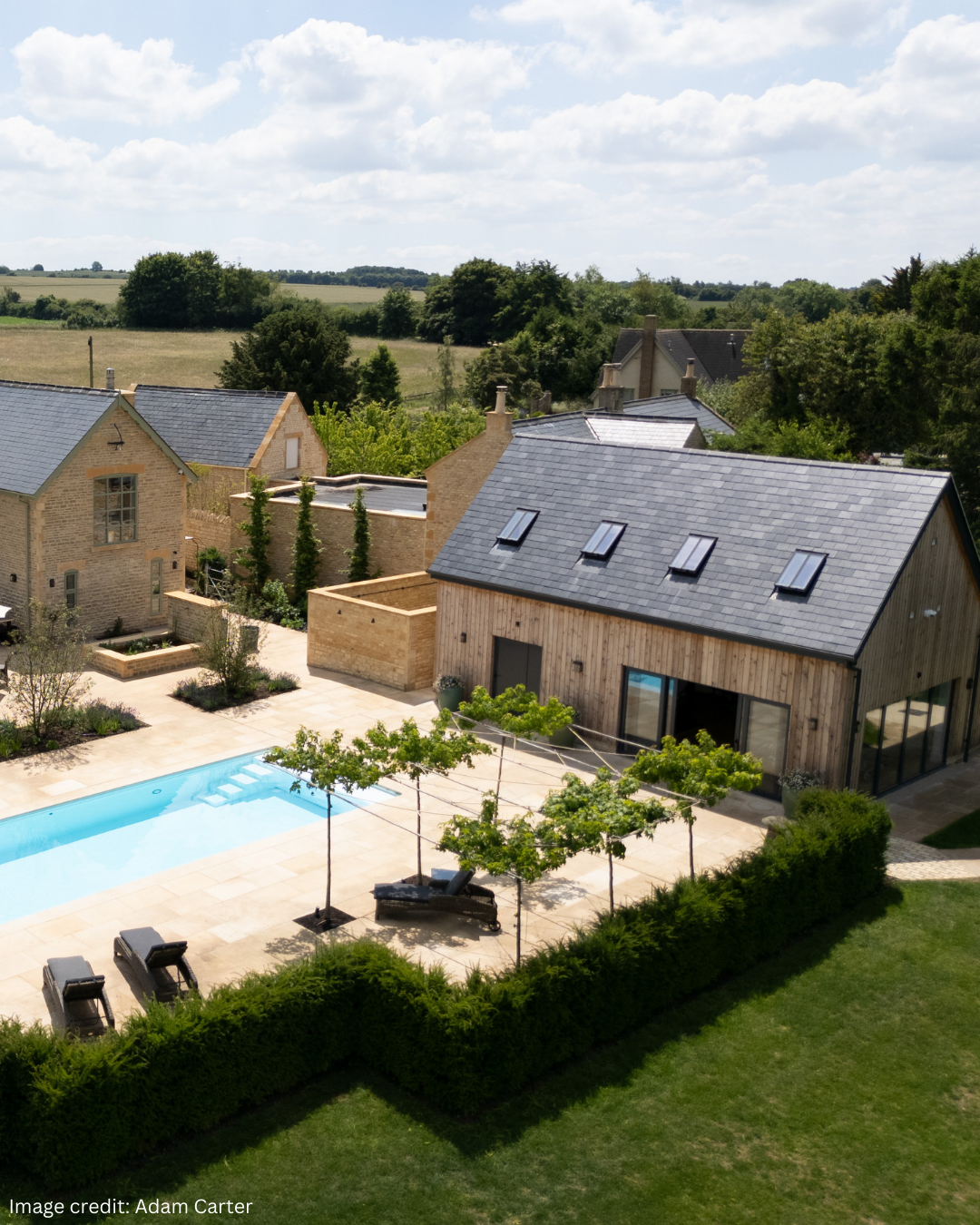
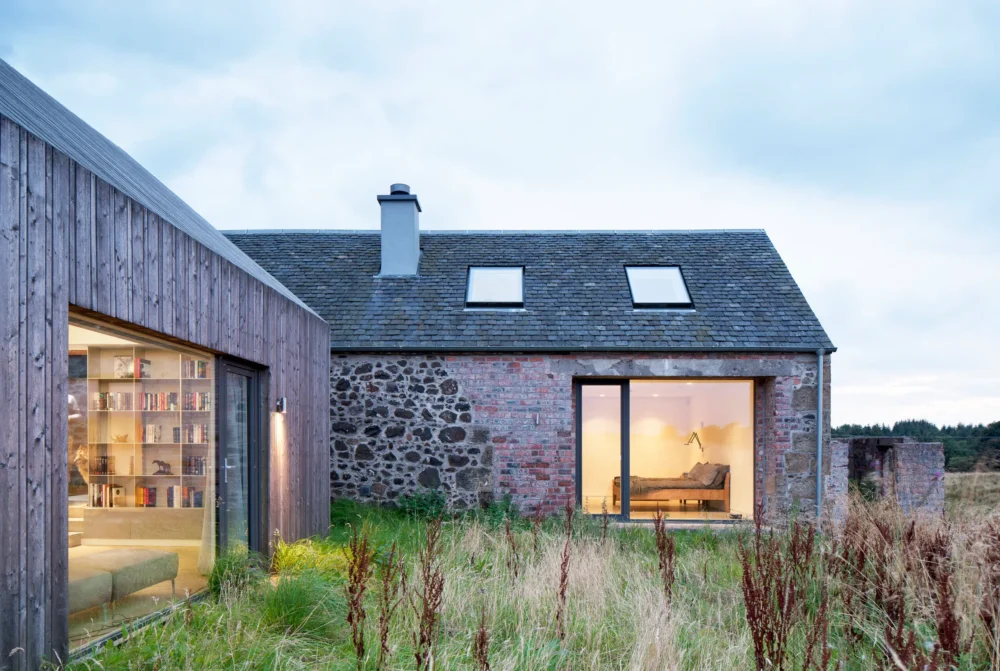
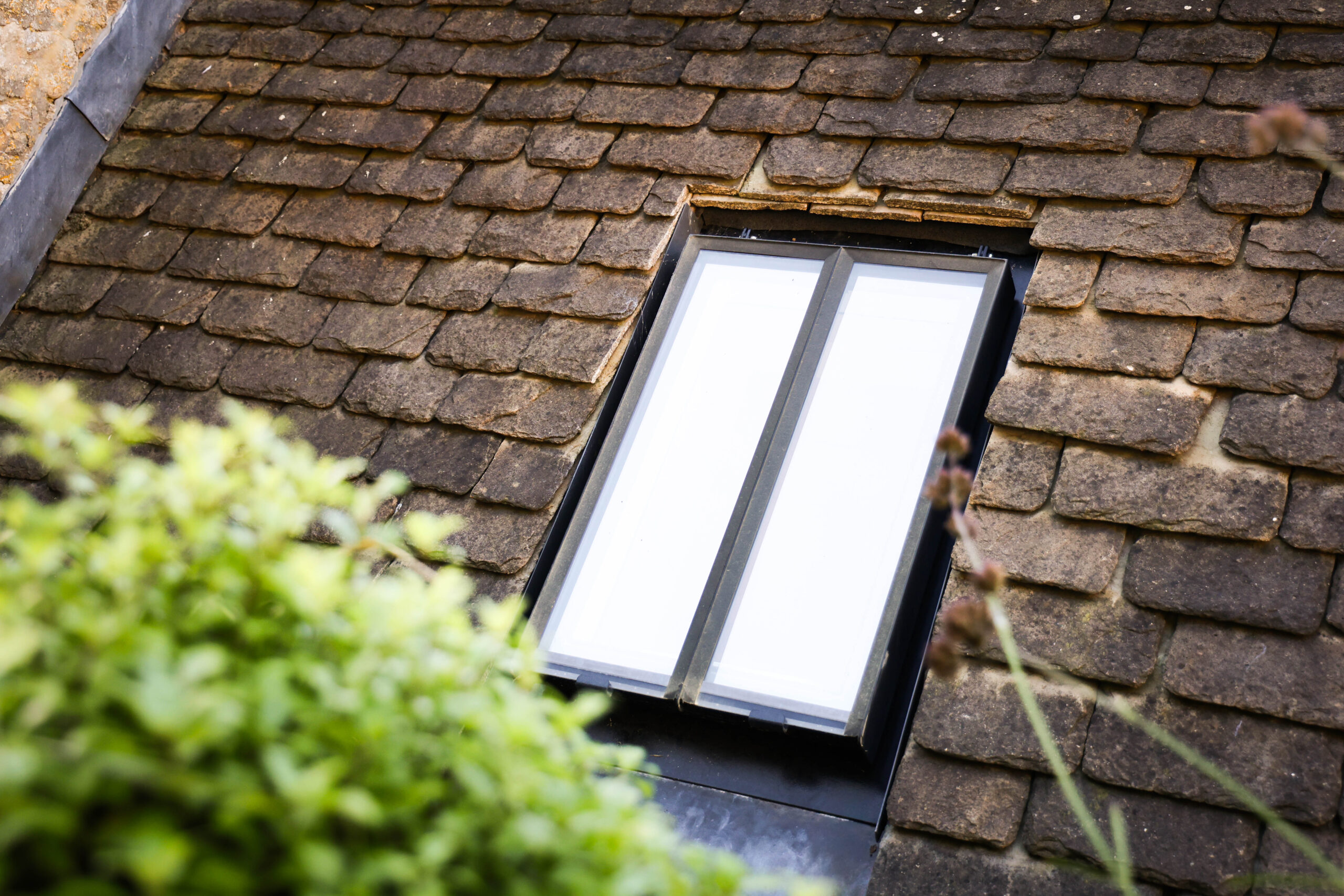
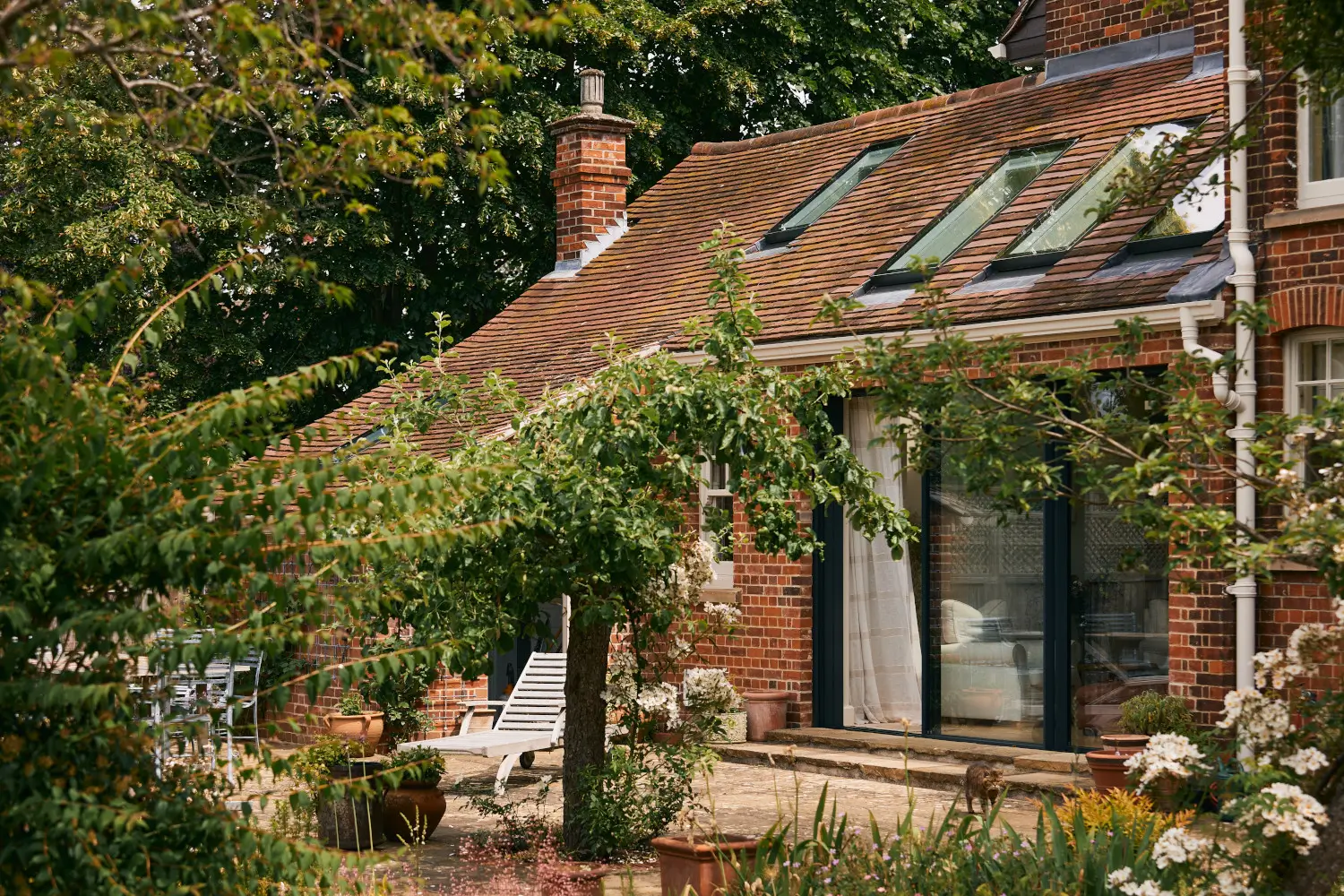
Our rooflights are designed with planning considerations in mind. Our products, including our conservation rooflights, are regularly accepted by conservation planning officers because they are supported by clear, planner-friendly documentation and discreet design features.

Key factors include:

  • Low-profile, flush designs that minimise visual impact
  • Clear technical data including U-values and performance metrics
  • Comprehensive datasheets suitable for planning submissions

For contractors, this reduces uncertainty and helps planning officers make confident decisions first time.

Saving Time and Cost Through Better Specification

The FMB survey shows that 80% of planning delays stem from information requirements alone. Providing compliant, well-documented rooflight specifications upfront can:

  • Reduce follow-up queries from planning officers
  • Shorten decision times
  • Lower the risk of committee referral
  • Reduce consultant and redesign costs

In a system where delays quickly become expensive, these advantages matter.

A Practical Rooflight Planning Checklist

Before submitting a planning application, ensure your rooflight specification includes:

  • Full technical datasheets
  • Elevation drawings showing rooflight placement in context
  • Details on materials, glazing type, and profiles
  • The name of the rooflight provider, their product code and size
  • Compliance certificates and performance data
  • Design justification for conservation or sensitive settings

At The Rooflight Co, we support this process by providing extensive specification documentation across our entire rooflight range. This includes clear technical datasheets, performance data, and supporting information that can be easily incorporated into planning submissions, helping to reduce follow-up queries and keep applications moving.

In many cases, simply confirming that The Rooflight Co rooflights are being specified can provide additional reassurance, as our products are widely recognised and understood within the planning and conservation community.

Submitting drawings with annotations such as ‘The Rooflight Co. CR09-2 Conservation Rooflight’ will provide planners and conservation officers a clear understanding of the exact rooflight you are looking to install, leading to fewer questions over its suitability for the project, and thus speeding up the approval process.

Conclusion

As the FMB survey highlights, the planning system remains the biggest challenge facing small builders, and product specification plays a larger role than many realise. Rooflights that are poorly specified or visually intrusive can slow an application down. Those designed with planning officers in mind help projects move forward with fewer delays.

Choosing planning-friendly rooflights isn’t just about aesthetics – it’s about reducing risk, saving time, and keeping projects on track.

Contractor Resources and Technical Support

To support smoother planning submissions, explore our dedicated contractors and installers resources, where you’ll find installation manuals, technical drawings, and specification guidance to support accurate specification.

While planning applications are typically submitted by architects, we encourage contractors to work closely with their design teams to ensure the right rooflight products are specified from the outset. Our technical team is also available to provide supporting information that architects can incorporate into planning submissions.


Share on Social Media

Other Articles For You

Understanding Building Regulations for Rooflights: A Guide to Approved Documents F, K, L and O

When to Upgrade Your Rooflight (and How It Enhances Your Home)

FMB Survey Shows Why Rooflight Choice Matters in the Planning Process

The Rooflight Co. & Nicholsons Rooted In Light Series: Part 3 – Our Vision

The Rooflight Co. & Nicholsons Rooted In Light Series: Part 2 – Healthy Spaces

Standard vs Recessed Rooflight Installation: Understanding the Difference

Homeowners and Self-Builders - Neo rooflights flood a living area with natural light - Homeowner Hub. Helpful Guides: A Guide to Pitched Roof Windows

The Rooflight Co. & Nicholsons Rooted In Light Series: Part 1 – Why Daylight Matters

Courtyard view of Tew Farmhouse and Barns for the What Size Rooflight Do I Need? Blog - Contractor Hub header. Helpful Guides: What size of rooflight do I need?

Beyond the Landscape: How Neighbour Impact Can Affect Your Planning Permission

Talk To Our Technical Experts

Send us your details and our team will be in touch. 

TLC Logo June 2023-Solid Black

Connect With Our Technical Experts

TLC Logo June 2023-Solid Black

Register Your Product

Our standard terms and conditions of sale provide a warranty of 12 months from date of delivery. We recommend you register your products within this timeframe to extend your warranty, where applicable.

If you have more than one rooflight from The Rooflight Co, please enter all serial numbers below:
?
Serial number label found either:-
  • On the back of the O&M booklet supplied with the rooflight.
  • There is a sticker within the channel of the underside of the casement, visible when the casement is open OR Open the rooflight and the sticker will be located in an area that can't be seen when the rooflight is closed.
  • There is a sticker within the thermoliner channel (Channel on the baseplate), visible when the casement is open OR Open the rooflight and the sticker will be located in an area that can't be seen when the rooflight is closed.
TLC Logo June 2023-Solid Black

Education & CPD Requests

Select All That Apply