Menu
Menu

Standard vs Recessed Rooflight Installation: Understanding the Difference

Key Insights

  • Rooflights are typically around 100mm in height, making this the key comparison point when deciding installation type.
  • A standard installation (on the rafter) fixes the rooflight directly onto the rafters and works best when roof build-up is 100mm or more, such as clay tile roofs.
  • A recessed installation (between the rafters) lowers the rooflight between bearer beams for a flush finish when the roof build-up is under 100mm, typical for slate roofs or heritage projects.
  • Use The Rooflight Co.’s Rooflight Calculator Tool to determine the correct opening size and installation type.

When specifying a rooflight installation, one of the first design decisions to make is whether to choose an on the rafter (standard) or between the rafters (recessed) installation. This choice influences both the aesthetic finish and practical performance of the rooflight within the roofline.

For heritage and listed buildings, the choice is particularly significant. A flush integration helps maintain the building’s traditional appearance while ensuring the installation meets modern performance standards and weather protection requirements.

Why Flush Rooflights Matter

A rooflight that sits flush within the roofline delivers a professional, long-lasting finish. From both aesthetic and technical perspectives, flush integration enhances the appearance, drainage, and overall durability of the roof.

Aesthetic Benefits

  • Creates a seamless, minimal appearance that integrates cleanly with roof tiles.
  • Preserves the architectural character of heritage and listed properties.
  • Offers a sophisticated look suitable for both traditional and contemporary designs.

Practical Benefits

  • Reduces the chance of water pooling, ensuring proper run-off.
  • Minimises wind resistance and helps extend the life of the rooflight and surrounding materials.
  • Improves the alignment and weatherproofing of the entire roof system.

Understanding Roof Build-Up

Before deciding which installation is right for your project, you need to assess your roof build-up.

Roof build-up refers to the total thickness of all layers that sit above the rafters and make up the finished roof structure.

Typical Roof Build-Up Includes:

  • Battens and counter battens
  • Insulation
  • Roofing membranes
  • Roof tiles or slates

A clay tile roof generally has a build-up of over 100mm, while a slate roof tends to be less than 100mm.

Since most rooflights are approximately 100mm in height, this measurement determines whether your rooflight will sit flush or slightly proud of the roofline.

Roof Type Typical Build-Up Height Recommended Installation
Clay tiles 100mm or more On the rafter (standard installation)
Slate tiles Less than 100mm Between the rafters (recessed installation)

On the Rafter (Standard) Installation

A standard installation involves fitting the rooflight directly on top of the rafters, where it sits above the roof structure.

When It Works Best

  • Roof build-up of 100mm or more.
  • Ideal for clay tile roofs or any roof with deeper tile profiles.
  • Produces a flush finish that complements traditional rooflines.


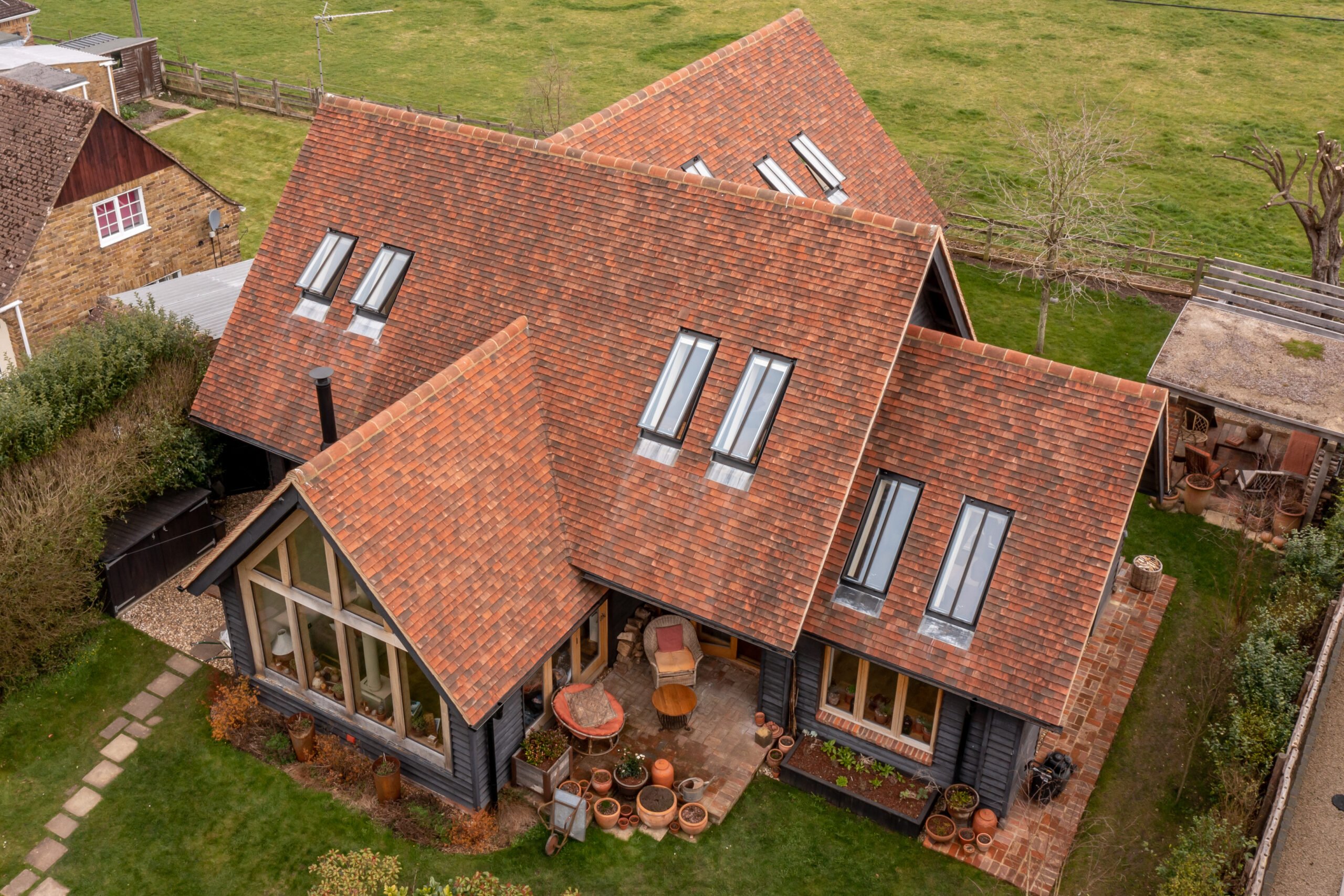
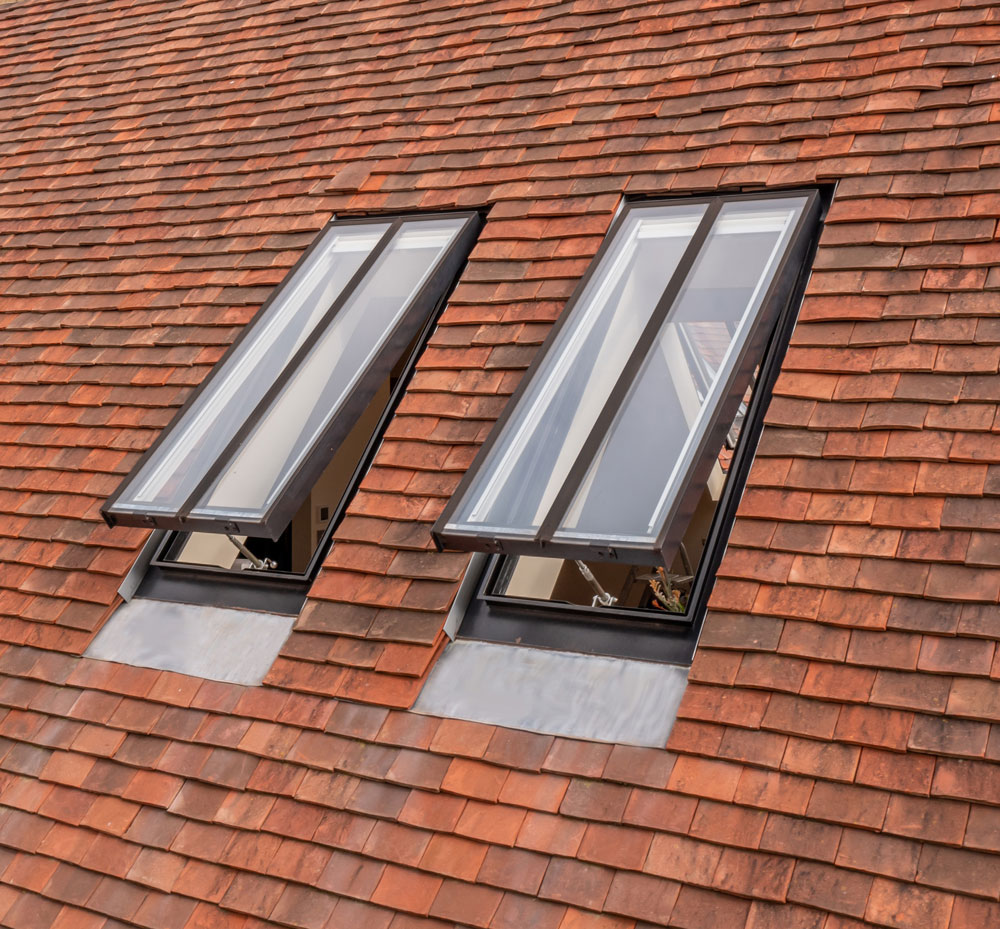
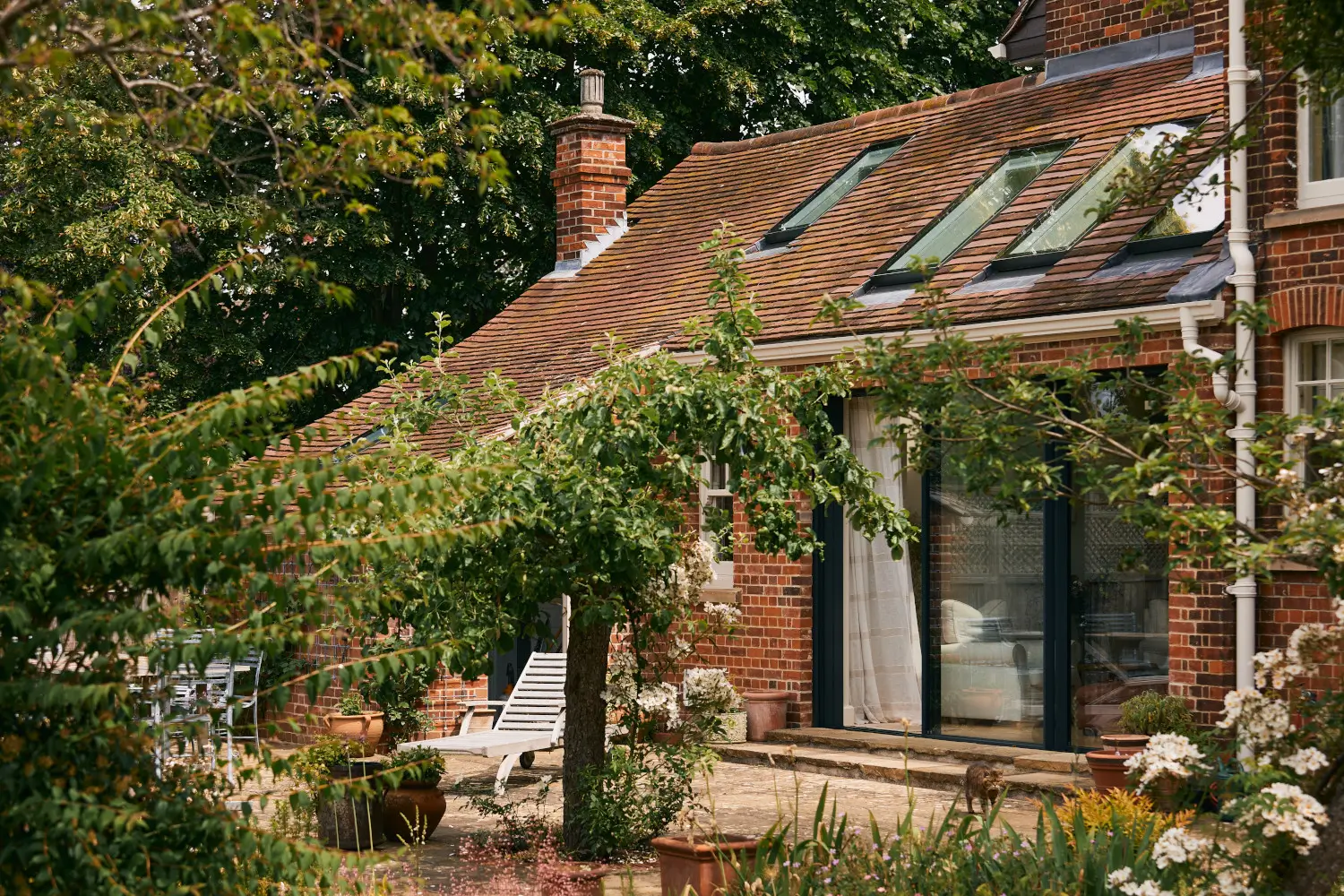
Cavendish House On the rafter installation, flush with the top of roof tiles.

When It Sits Proud

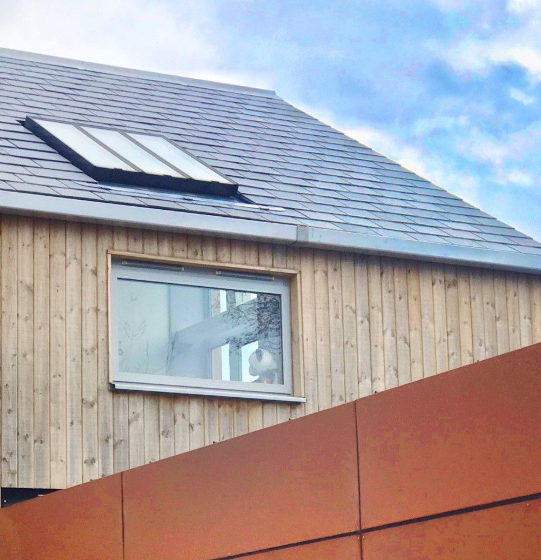
If your roof build-up measures less than 100mm, such as with slate roofs, a standard installation may result in the rooflight sitting slightly above the roofline. This remains a practical and attractive option, often enhancing visual depth and distinction.

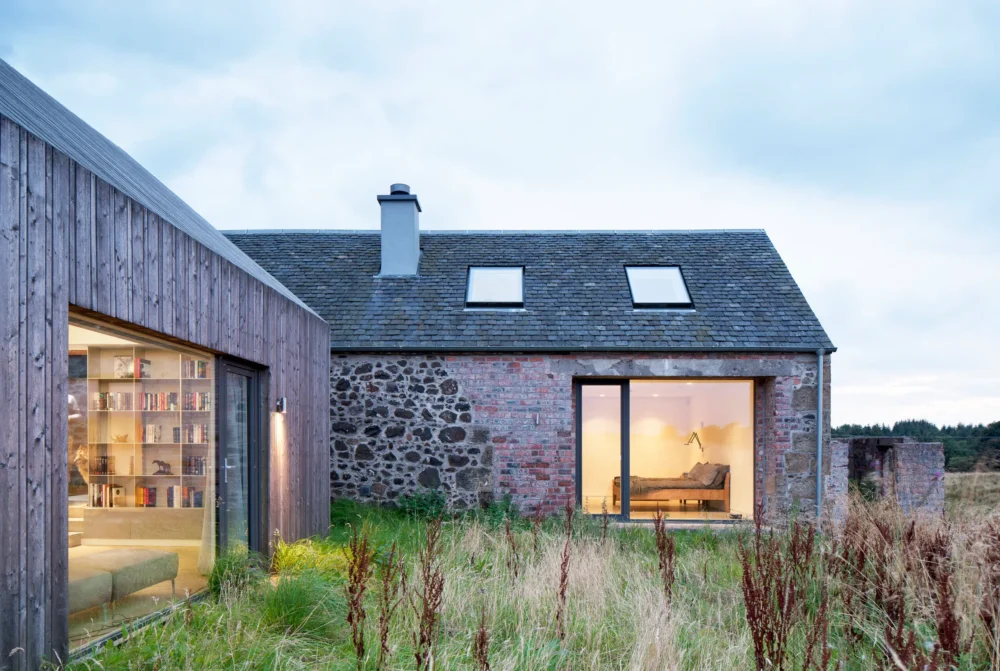
PJ Tonks Studio – On the rafter installation where the rooflight sits slightly proud of the roof surface.

Between the Rafters (Recessed) Installation

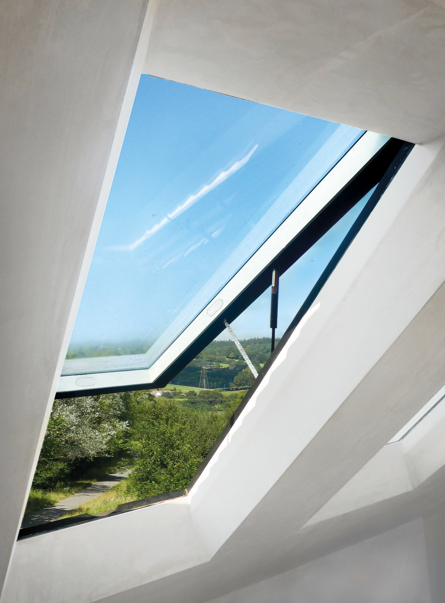
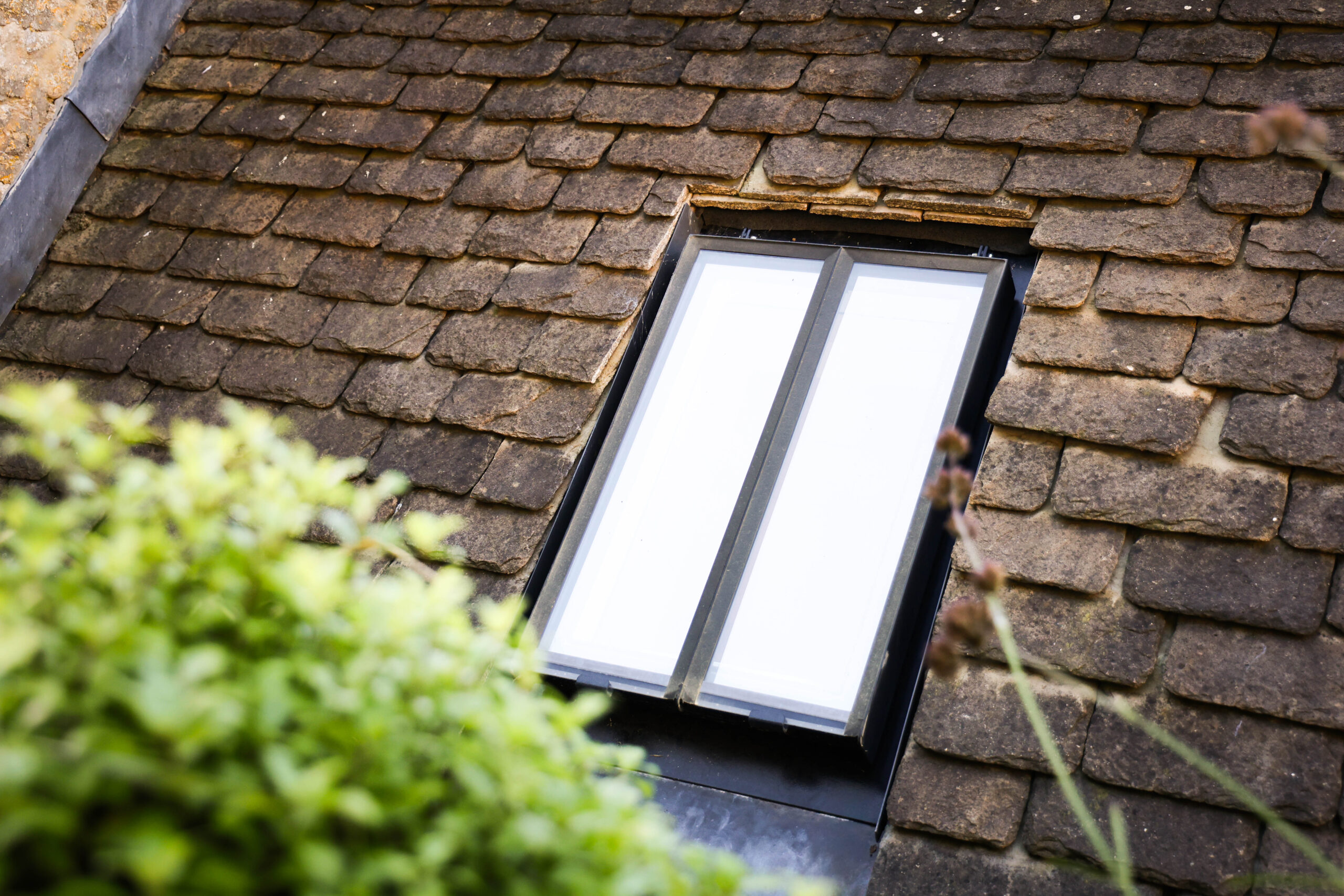
A recessed installation lowers the rooflight between the rafters, supported by bearer beams, allowing the top of the frame to sit level with the roof tiles.

When to Use

  • When the total roof build-up is less than 100mm.
  • When a flush, low-profile appearance is preferred for visual or planning reasons.
  • Particularly effective in heritage settings or design-led projects.

Structural Considerations

Recessed installations require opening the structural gap wider so the rooflight can drop down between the rafters. The new bearer beams form a sturdy platform for the rooflight frame to rest on.
Our Rooflight Calculator Tool simplifies this process by helping determine the correct dimensions and positioning.

Benefits

  • Achieves a truly flush finish that integrates perfectly with the surrounding tiles.
  • Provides a low-profile, refined aesthetic.
  • Ideal for heritage renovations, slate roofs, or modern architectural designs seeking a seamless look.

Example Project:

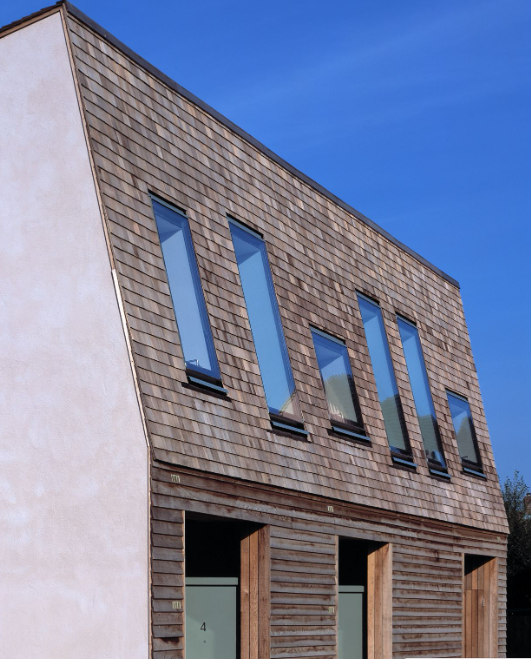
Elmswell / Clayfield – Between the rafters installation, achieving a smooth, flush tile finish.

How to Choose the Right Installation Type

Choosing the correct installation type depends on your roof build-up and visual design goals. Follow these simple steps:

Roof Type Typical Build-Up Height Recommended Installation
Clay tiles 100mm or more On the rafter (standard installation)
Slate tiles Less than 100mm Between the rafters (recessed installation)

Tip: Use our Rooflight Calculator Tool or contact our technical team for expert guidance when measuring and specifying your project.

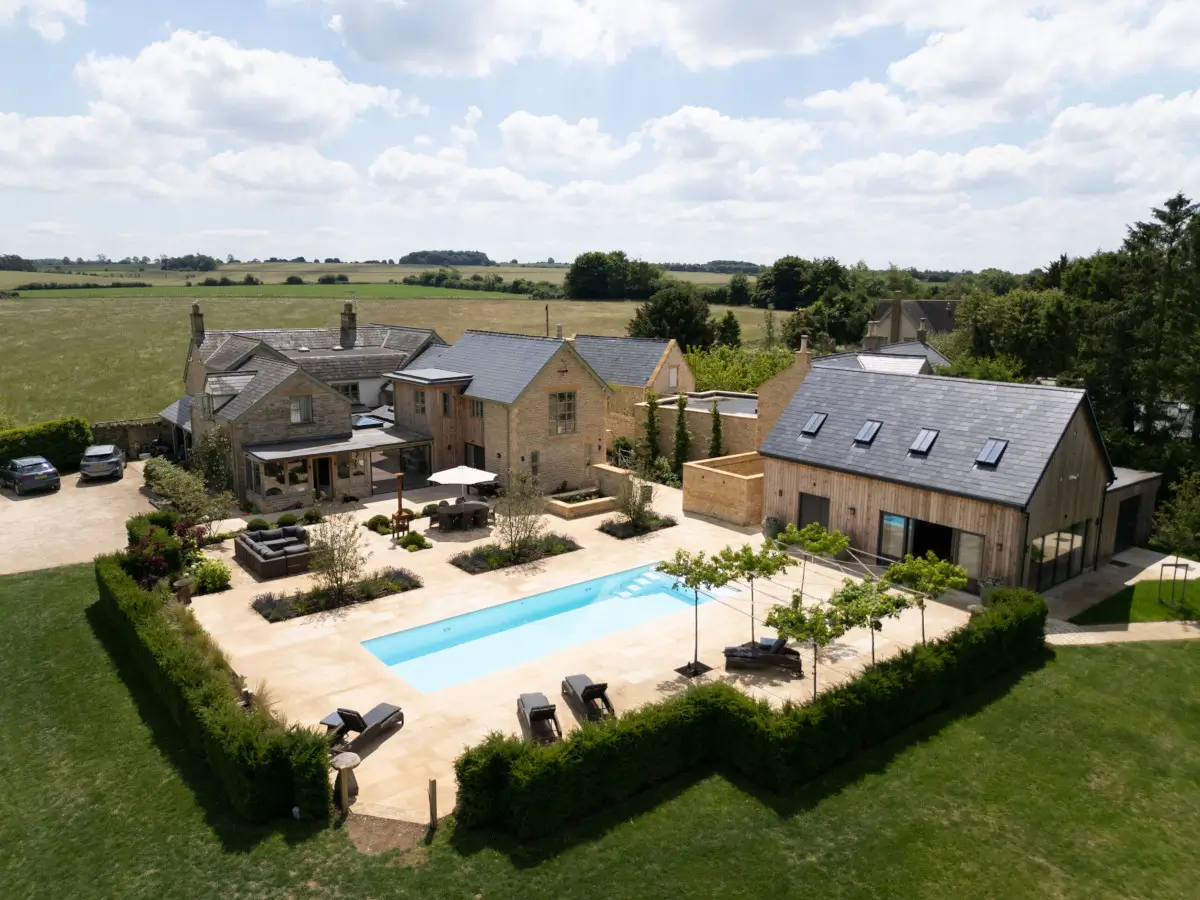
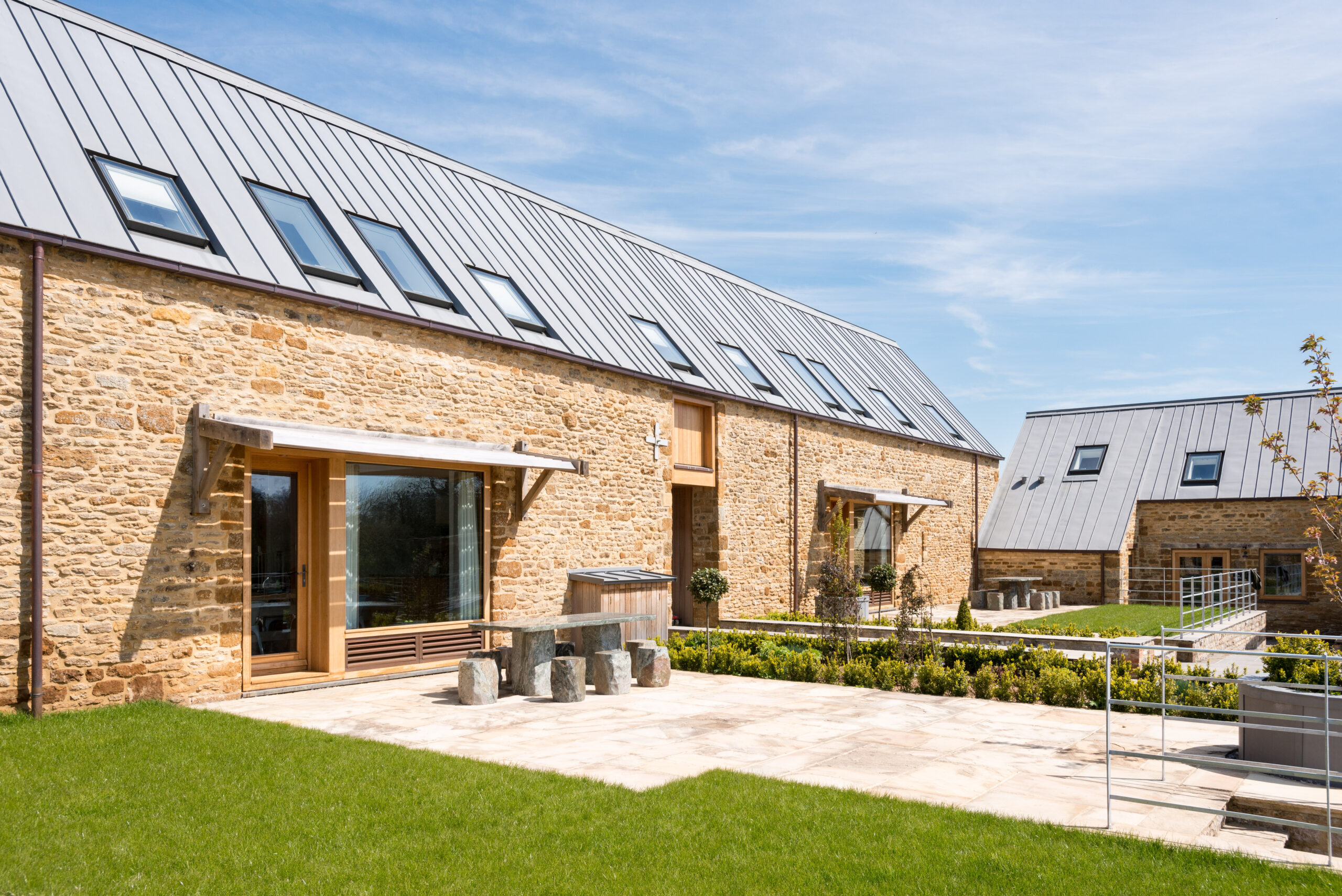
Tew Farmhouse in the Cotswolds

Conclusion

Whether you select a standard (on the rafter) or recessed (between the rafters) installation, the goal is the same – achieving a balance between aesthetic finish, practical performance, and structural integrity.

  • Standard installation: Best for roofs with a build-up of 100mm or more (e.g., clay tiles). Simple, effective, and produces a classic flush finish.
  • Recessed installation: Suited for roofs with less than 100mm build-up (e.g., slate) where a clean, low-profile look is desired.

Both approaches deliver exceptional results when installed correctly. For detailed advice or technical support, contact The Rooflight Co. team or explore our case studies to see these installation types in practice.

Share on Social Media

Other Articles For You

Understanding Building Regulations for Rooflights: A Guide to Approved Documents F, K, L and O

When to Upgrade Your Rooflight (and How It Enhances Your Home)

FMB Survey Shows Why Rooflight Choice Matters in the Planning Process

The Rooflight Co. & Nicholsons Rooted In Light Series: Part 3 – Our Vision

The Rooflight Co. & Nicholsons Rooted In Light Series: Part 2 – Healthy Spaces

Standard vs Recessed Rooflight Installation: Understanding the Difference

Homeowners and Self-Builders - Neo rooflights flood a living area with natural light - Homeowner Hub. Helpful Guides: A Guide to Pitched Roof Windows

The Rooflight Co. & Nicholsons Rooted In Light Series: Part 1 – Why Daylight Matters

Courtyard view of Tew Farmhouse and Barns for the What Size Rooflight Do I Need? Blog - Contractor Hub header. Helpful Guides: What size of rooflight do I need?

Beyond the Landscape: How Neighbour Impact Can Affect Your Planning Permission

Talk To Our Technical Experts

Send us your details and our team will be in touch. 

TLC Logo June 2023-Solid Black

Connect With Our Technical Experts

TLC Logo June 2023-Solid Black

Register Your Product

Our standard terms and conditions of sale provide a warranty of 12 months from date of delivery. We recommend you register your products within this timeframe to extend your warranty, where applicable.

If you have more than one rooflight from The Rooflight Co, please enter all serial numbers below:
?
Serial number label found either:-
  • On the back of the O&M booklet supplied with the rooflight.
  • There is a sticker within the channel of the underside of the casement, visible when the casement is open OR Open the rooflight and the sticker will be located in an area that can't be seen when the rooflight is closed.
  • There is a sticker within the thermoliner channel (Channel on the baseplate), visible when the casement is open OR Open the rooflight and the sticker will be located in an area that can't be seen when the rooflight is closed.
TLC Logo June 2023-Solid Black

Education & CPD Requests

Select All That Apply