Menu
Menu

Beyond the Landscape: How Neighbour Impact Can Affect Your Planning Permission

In our earlier blog, we explored how environmental factors from landscape character to biodiversity can influence planning outcomes. But there’s another key aspect that often determines success or refusal and that is how your plans affect the people living around you.
Whether you’re extending upwards, outwards, or simply reconfiguring a space for more light and comfort, overlooking neighbours’ rights to light, privacy, or access can quickly lead to objections. In close communities, especially in settings like the Cotswolds, getting neighbour impact right can be just as important as respecting the local landscape.

In this article, we look at common reasons planning applications are refused due to neighbour impact and how subtle, intelligent design choices, such as well-placed rooflights, can help you gain approval without compromising on quality of light or comfort.


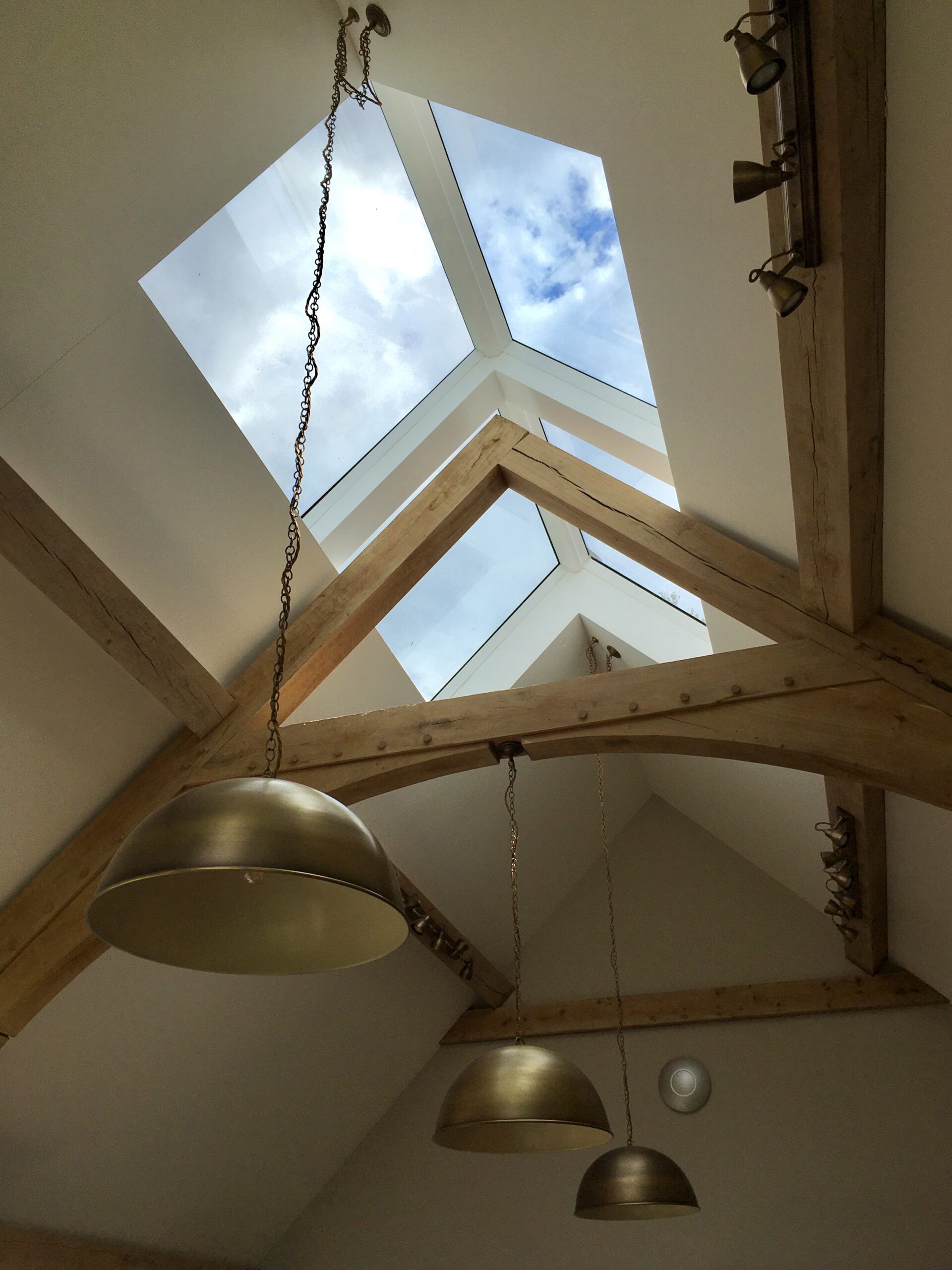
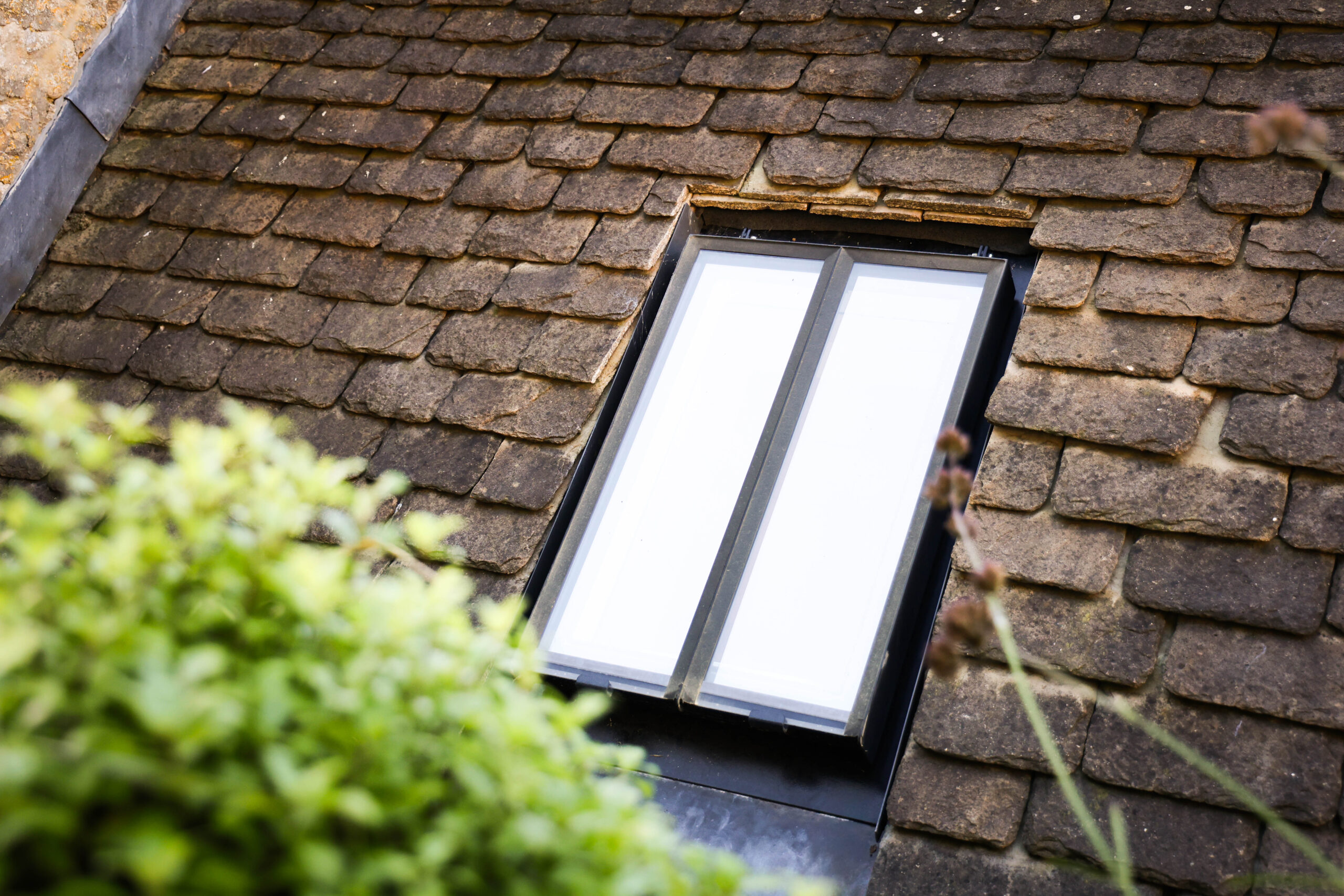
Internal shot of a Ridgelight roof window.
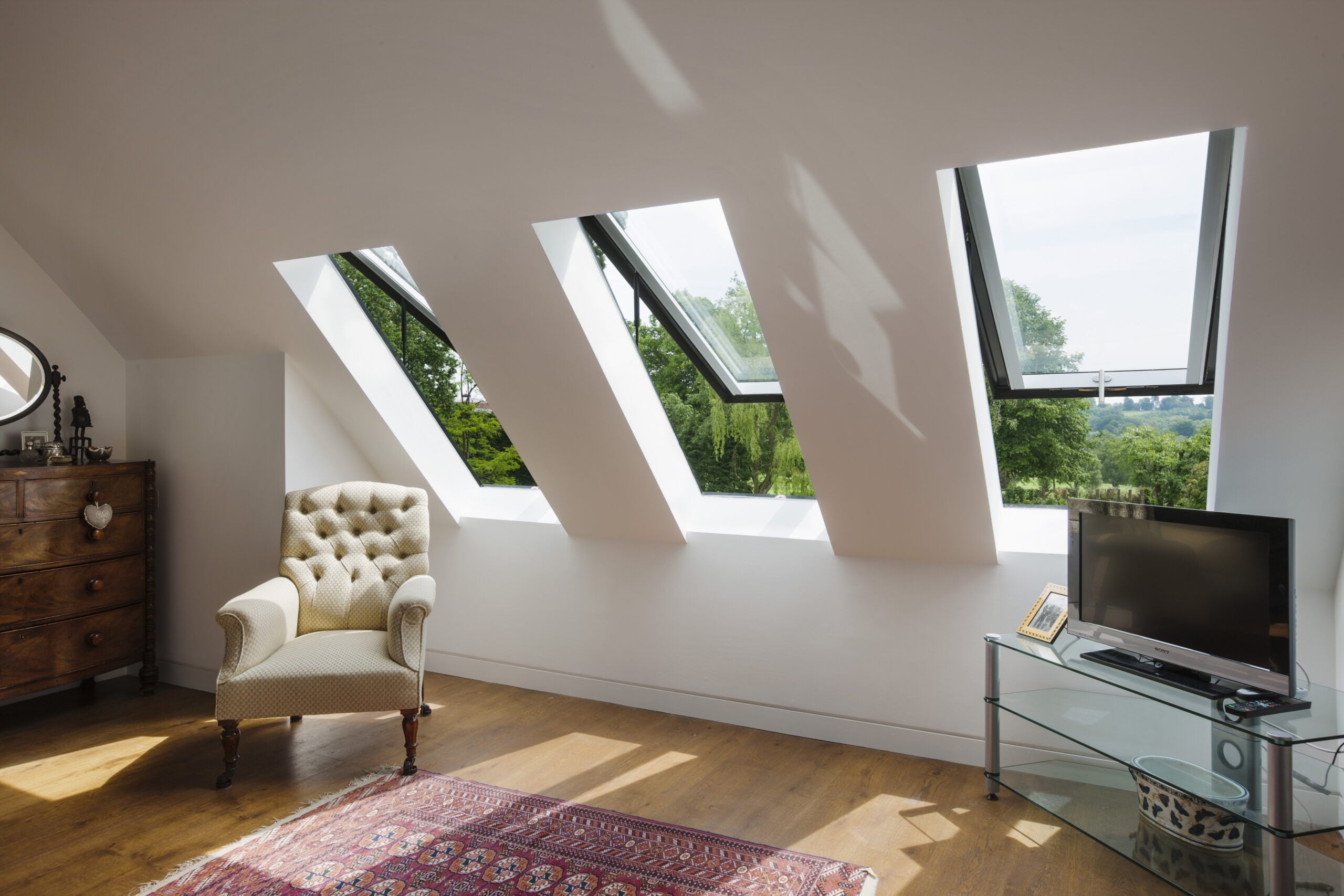
Homeowners and Self-Builders - Neo rooflights flood a living area with natural light - Homeowner Hub. Helpful Guides: A Guide to Pitched Roof Windows

The human side of planning permission

Neighbour concerns are a common and key factor in planning decisions, especially in close-knit communities and sensitive settings like the Cotswolds. Understanding and addressing these issues early on can make all the difference in securing approval. Here are some key reasons planning applications face objections related to neighbour impact:

  • Obstruction of amenities – Developments that reduce access to garden areas, parking spaces, or shared pathways often meet resistance. Maintaining the flow and functionality of these shared amenities is vital for neighbourly relations and local harmony.
  • Privacy – Features such as windows, terraces, or raised platforms that overlook neighbouring homes or gardens can cause serious privacy concerns. These objections tend to be particularly strong in residential areas where outdoor space is highly valued.
  • Light – Projects that significantly shade neighbouring properties risk being seen as diminishing their natural light, which is a crucial part of their amenity and wellbeing. Protecting a neighbour’s “right to light” is often a key consideration in planning assessments.

At The Rooflight Co, we know that the finer details of neighbour impact can make or break a project’s success. That’s why we take the time to truly understand each client’s unique brief and the specific context of their property.

Our bespoke rooflight designs give us the flexibility and precision to find solutions that maximise natural light while respecting neighbours’ privacy and rights. By tailoring each installation, we help deliver outcomes that satisfy homeowners, planners, and neighbours, striking the perfect balance between light, space, and harmony.

In urban or congested areas, where homes are often built close together, there’s limited opportunity for daylight from traditional vertical windows, and they may compromise privacy by facing directly into neighbouring properties.

Rooflights offer a smart, design-led daylighting strategy that brings abundant natural light into the home without sacrificing privacy. Positioned overhead, they eliminate the risk of overlooking, while enhancing the sense of open space.

Urban living can also mean higher levels of noise. Choosing acoustic glass in your rooflight design can help reduce sound transmission, making your indoor space quieter and more comfortable.

Incorporating thoughtfully designed rooflights into your project, you’re not only improving your own home, but you’re also helping keep good relationships with neighbours and staying on the right side of planning requirements.

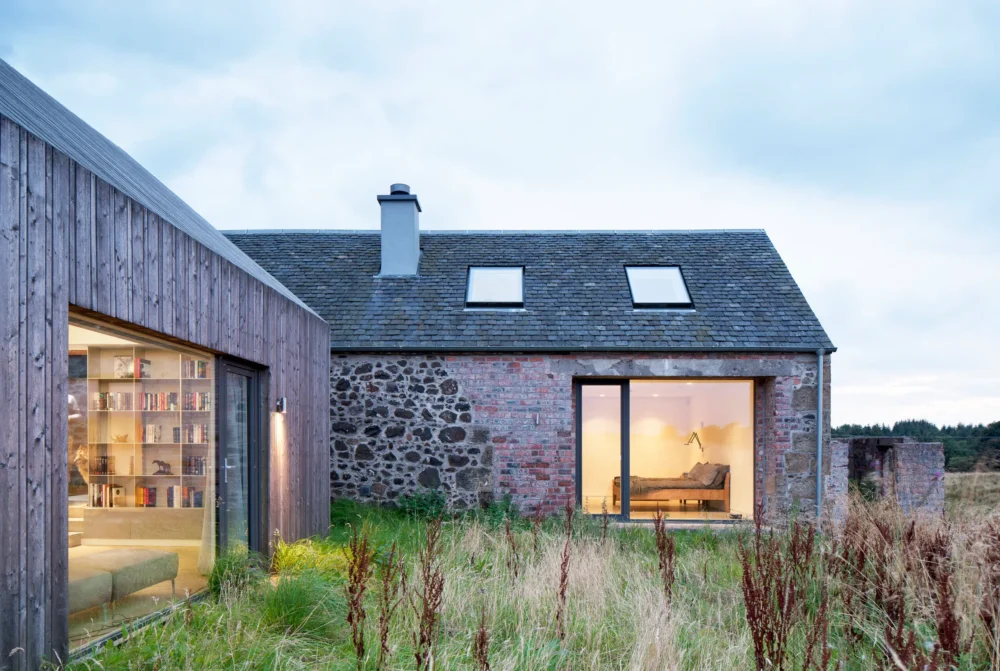
A fitting example of where our design team has carefully considered neighbour impact in their design concepts is through our ridge roof light. Positioned at the apex of a pitched roof, this innovative rooflight brings in abundant natural light from above, allowing homeowners to enjoy bright, open interiors without compromising neighbour privacy or triggering “right to light” concerns. Unlike vertical windows or side-facing openings, which can overlook adjoining properties or cast unwanted shadows, the Ridgelight offers a discreet and elegant solution that respects the surrounding context.

With its frameless appearance, clean internal lines, and no need for a ridge beam, the Ridgelight keeps a sleek, low-profile aesthetic that minimises external visual impact. Its flexibility in size and configuration means it can be adapted to suit a range of architectural styles, making it especially effective in planning scenarios where light is needed but external alterations must remain subtle. In this way, the Ridgelight strikes the ideal balance between daylight, discretion, and design integrity, all while supporting positive outcomes in the planning process.

“When it comes to gaining planning approval, particularly in close communities or sensitive settings, it’s often the small design decisions that matter most. I always look at how natural light can be introduced in a way that’s both effective for the homeowner and considerate of neighbouring properties. With careful placement and the right specification, rooflights can transform a space while helping to overcome some of the most common planning objections from privacy concerns to preserving character.” – Kathryn Muller, Design Manager.


 

Turning a planning refusal into an opportunity

If your planning is refused, take time to read the refusal notice thoroughly. Planning officers must list their reasons for refusal clearly, which will give you a roadmap for what to address in your next steps.

Speak to your assigned planning officer and your neighbours. A constructive dialogue can be incredibly helpful as it gives you an opportunity to ask what specific changes could resolve concerns.

And most importantly, go back to the drawing board and revisit the design. This is where small design changes can have a considerable influence. For example:

  • Could a lower ridge height reduce the visual impact?
  • Could a pitched roof be replaced with a flat one to reduce bulk?
  • Could natural light be introduced in a more sensitive way?

You may not have even considered rooflights in your original design but since light is often at the heart of planning disputes, this is where our specialist design team can really elevate your plans and help you win.

The planning process can be complex but often, the key to influencing a decision lies in showing that you understand the concerns, respect the context, and are willing to adjust.

As a specialist rooflight company based here in the Cotswolds, we’ve collaborated with homeowners, architects, and planning consultants to help shape proposals that work both on paper and in practice. Whether or not your project includes rooflights initially, we can advise on how to design for light, privacy, and harmony with your surroundings.

Because sometimes, letting in a little extra light is all it takes to brighten your path to approval.

Connect with our Design Solutions Team today

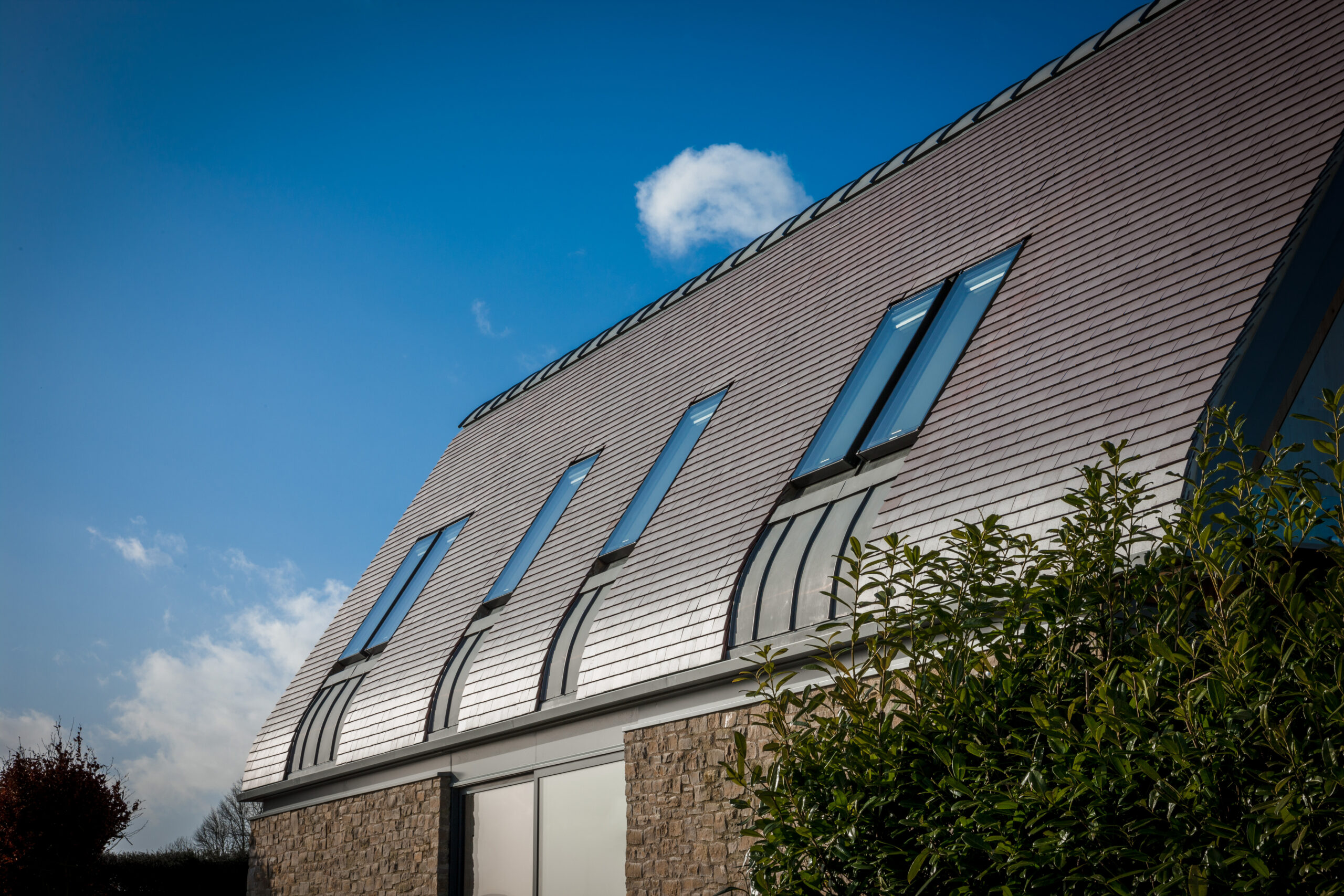
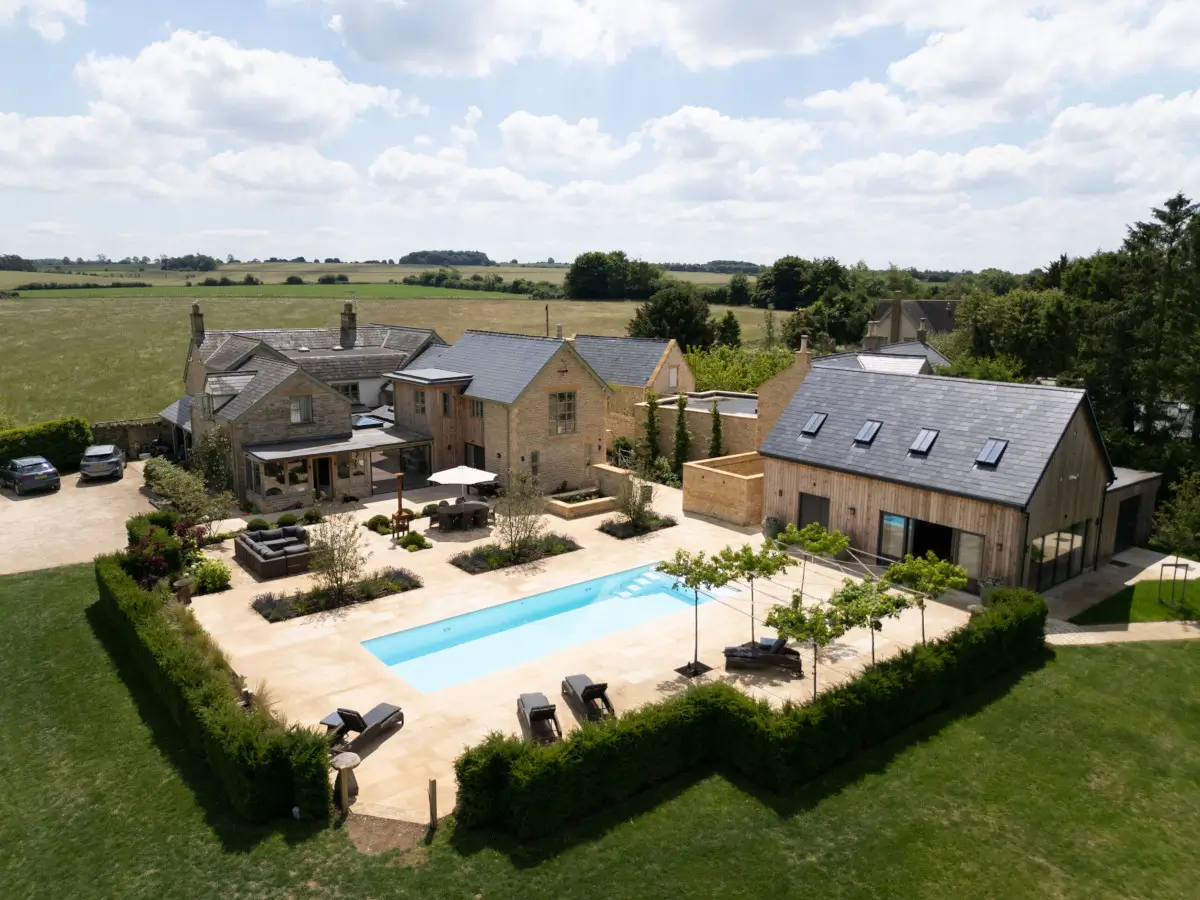
Broadmere external - Home banner - Case Study - Contractor Hub Solutions - Architectural design influences
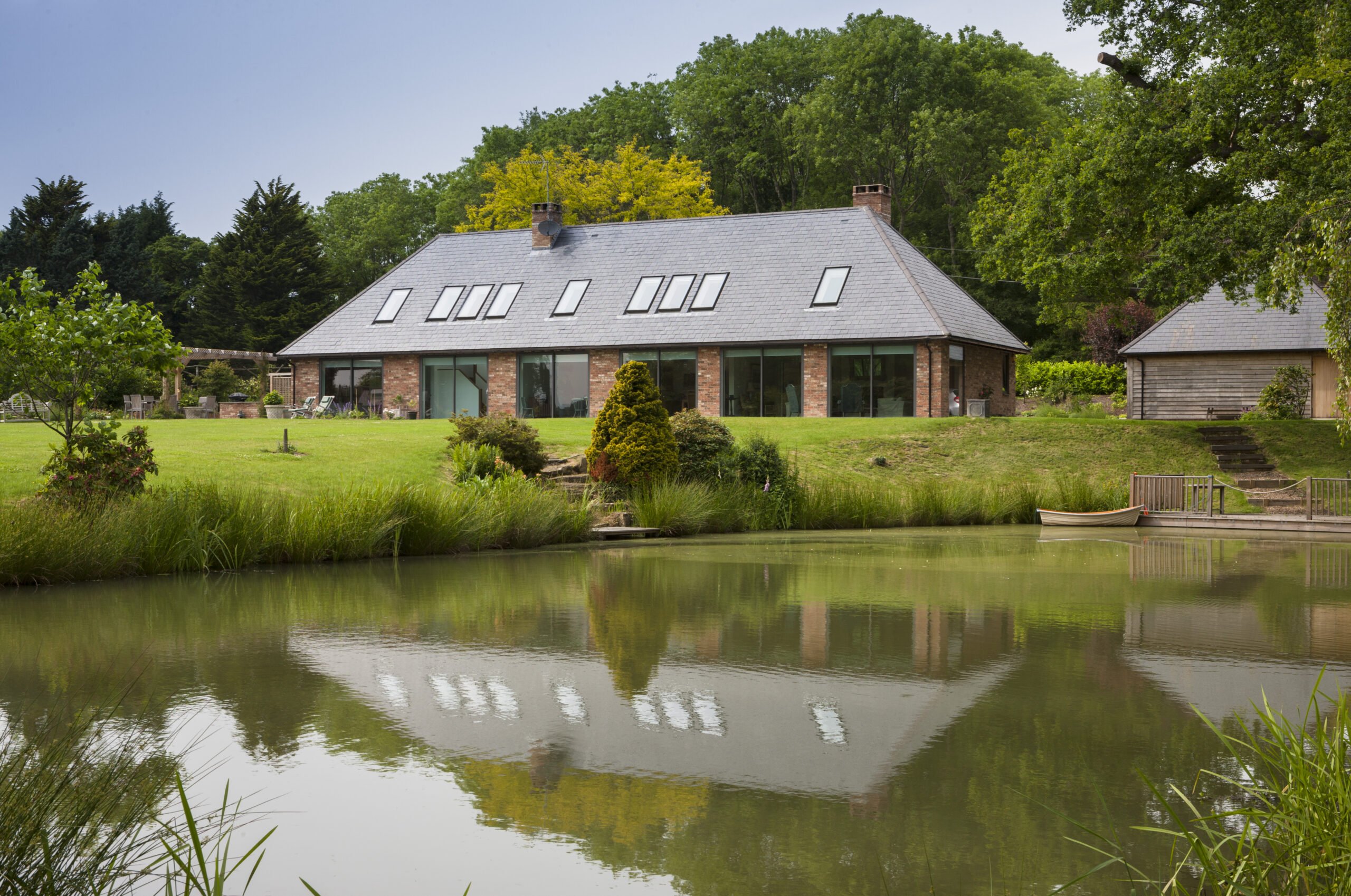
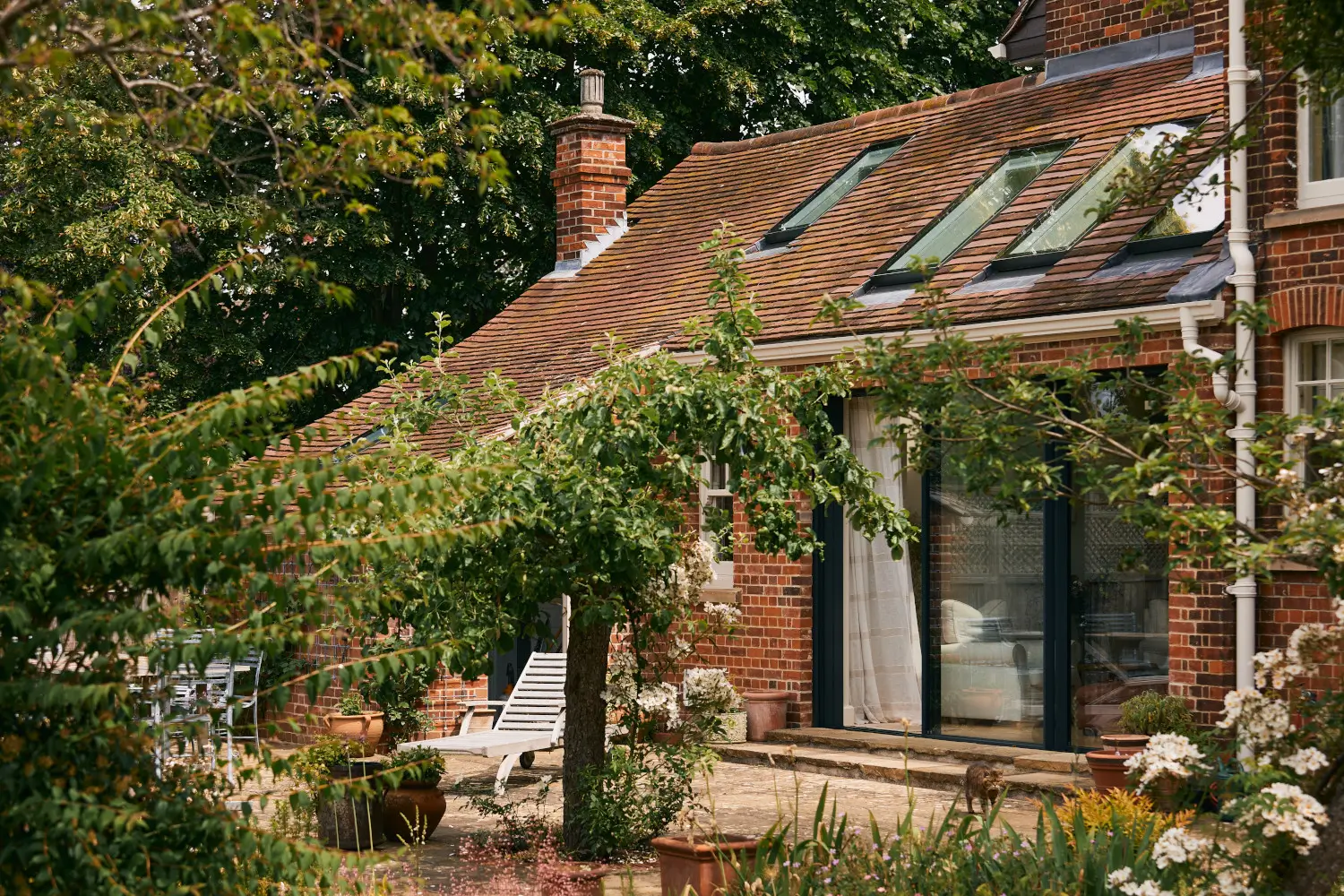
Neo Rooflights in a single storey house in Kent - Case Study - Architectural design influences
Old School House

Share on Social Media

Other Articles For You

Understanding Building Regulations for Rooflights: A Guide to Approved Documents F, K, L and O

When to Upgrade Your Rooflight (and How It Enhances Your Home)

FMB Survey Shows Why Rooflight Choice Matters in the Planning Process

The Rooflight Co. & Nicholsons Rooted In Light Series: Part 3 – Our Vision

The Rooflight Co. & Nicholsons Rooted In Light Series: Part 2 – Healthy Spaces

Standard vs Recessed Rooflight Installation: Understanding the Difference

Homeowners and Self-Builders - Neo rooflights flood a living area with natural light - Homeowner Hub. Helpful Guides: A Guide to Pitched Roof Windows

The Rooflight Co. & Nicholsons Rooted In Light Series: Part 1 – Why Daylight Matters

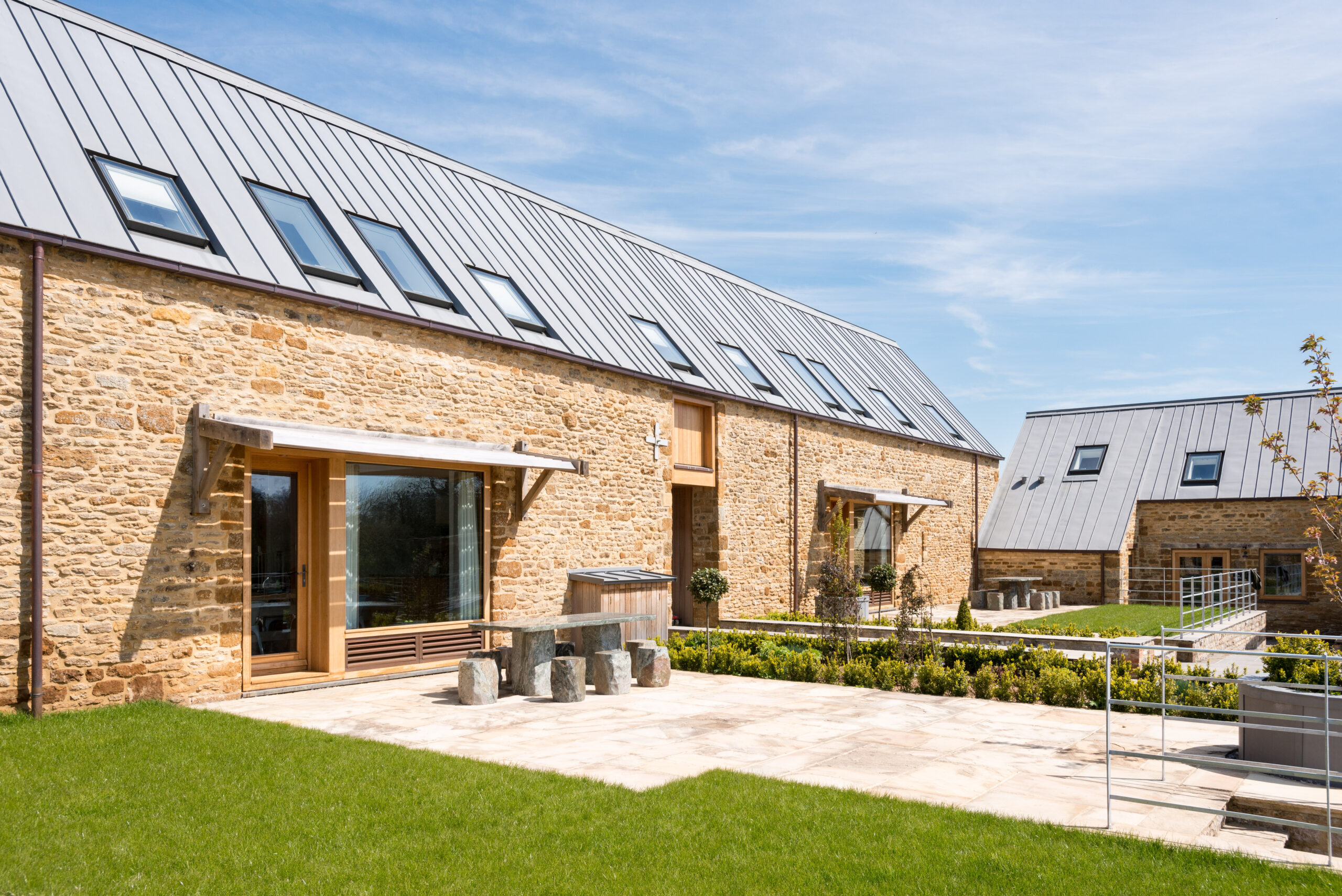
Courtyard view of Tew Farmhouse and Barns for the What Size Rooflight Do I Need? Blog - Contractor Hub header. Helpful Guides: What size of rooflight do I need?

Beyond the Landscape: How Neighbour Impact Can Affect Your Planning Permission

Talk To Our Technical Experts

Send us your details and our team will be in touch. 

TLC Logo June 2023-Solid Black

Connect With Our Technical Experts

TLC Logo June 2023-Solid Black

Register Your Product

Our standard terms and conditions of sale provide a warranty of 12 months from date of delivery. We recommend you register your products within this timeframe to extend your warranty, where applicable.

If you have more than one rooflight from The Rooflight Co, please enter all serial numbers below:
?
Serial number label found either:-
  • On the back of the O&M booklet supplied with the rooflight.
  • There is a sticker within the channel of the underside of the casement, visible when the casement is open OR Open the rooflight and the sticker will be located in an area that can't be seen when the rooflight is closed.
  • There is a sticker within the thermoliner channel (Channel on the baseplate), visible when the casement is open OR Open the rooflight and the sticker will be located in an area that can't be seen when the rooflight is closed.
TLC Logo June 2023-Solid Black

Education & CPD Requests

Select All That Apply