Menu
Menu

What size of rooflight do I need?

Whether it’s a large roof window or a small lantern roof extension, the size and shape of your rooflight will have a significant impact on your home or building project.

Fortunately, choosing the right rooflight size is made simple with bespoke solutions and a wide range of sizes and models available.

Read on and discover more about how to choose the right rooflight size, common rooflight sizes in the UK, and bespoke solutions from The Rooflight Co.

From visually expanding cramped spaces to brightening dark rooms, rooflights allow natural light to pour in throughout the day – much more than traditional windows. There are plenty of rooflight and skylight options in regard to style, function, budget, and personal preference. From varied, quality rooflight ranges to bespoke skylight creations, it’s easy to find the perfect rooflight for your home.
Below, our experts will guide you through picking the right rooflight for your home. We consider the pitch of your roof, the location of the room, desired aesthetics, and bespoke features to customise your rooflight exactly as you would like.

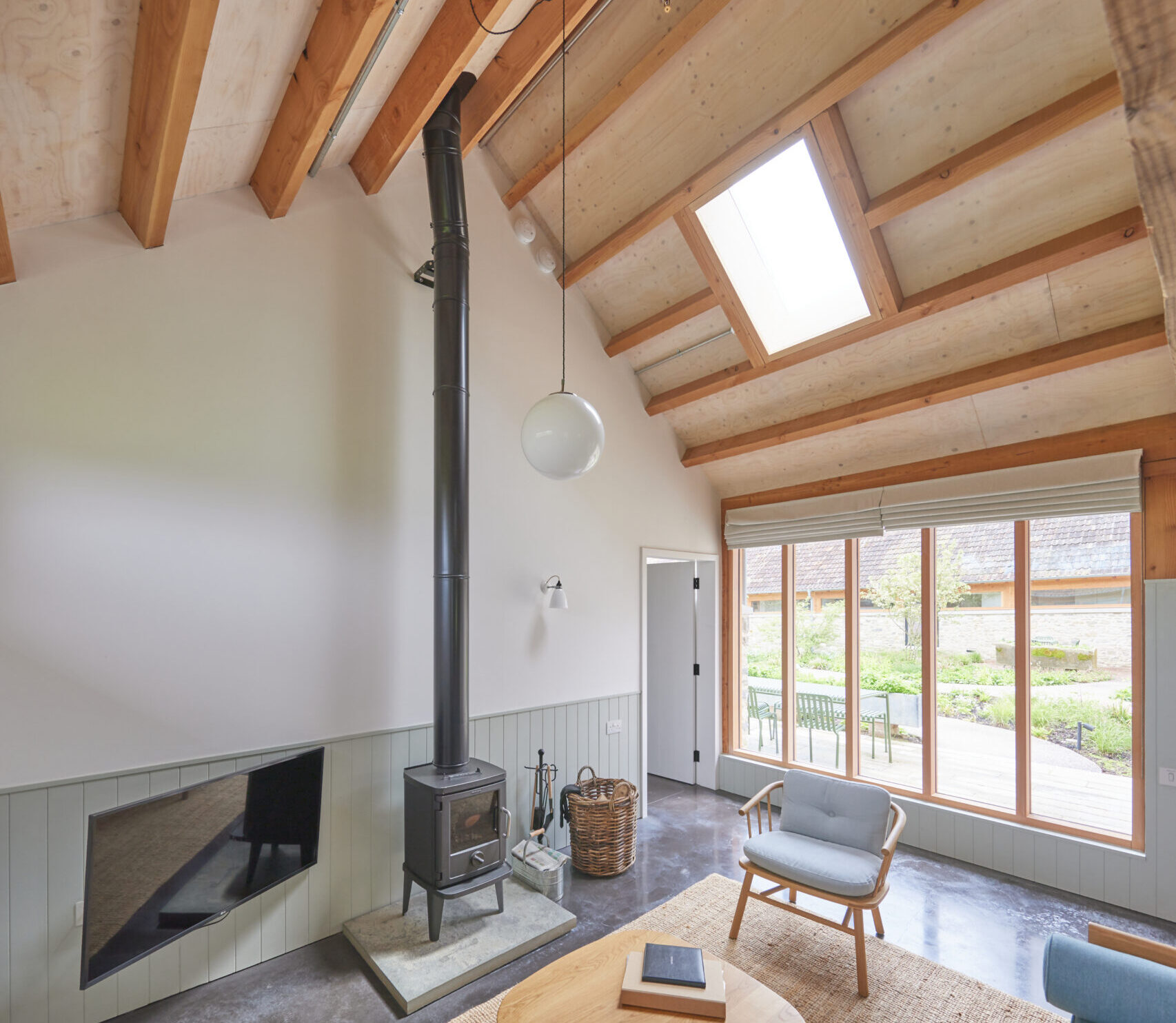
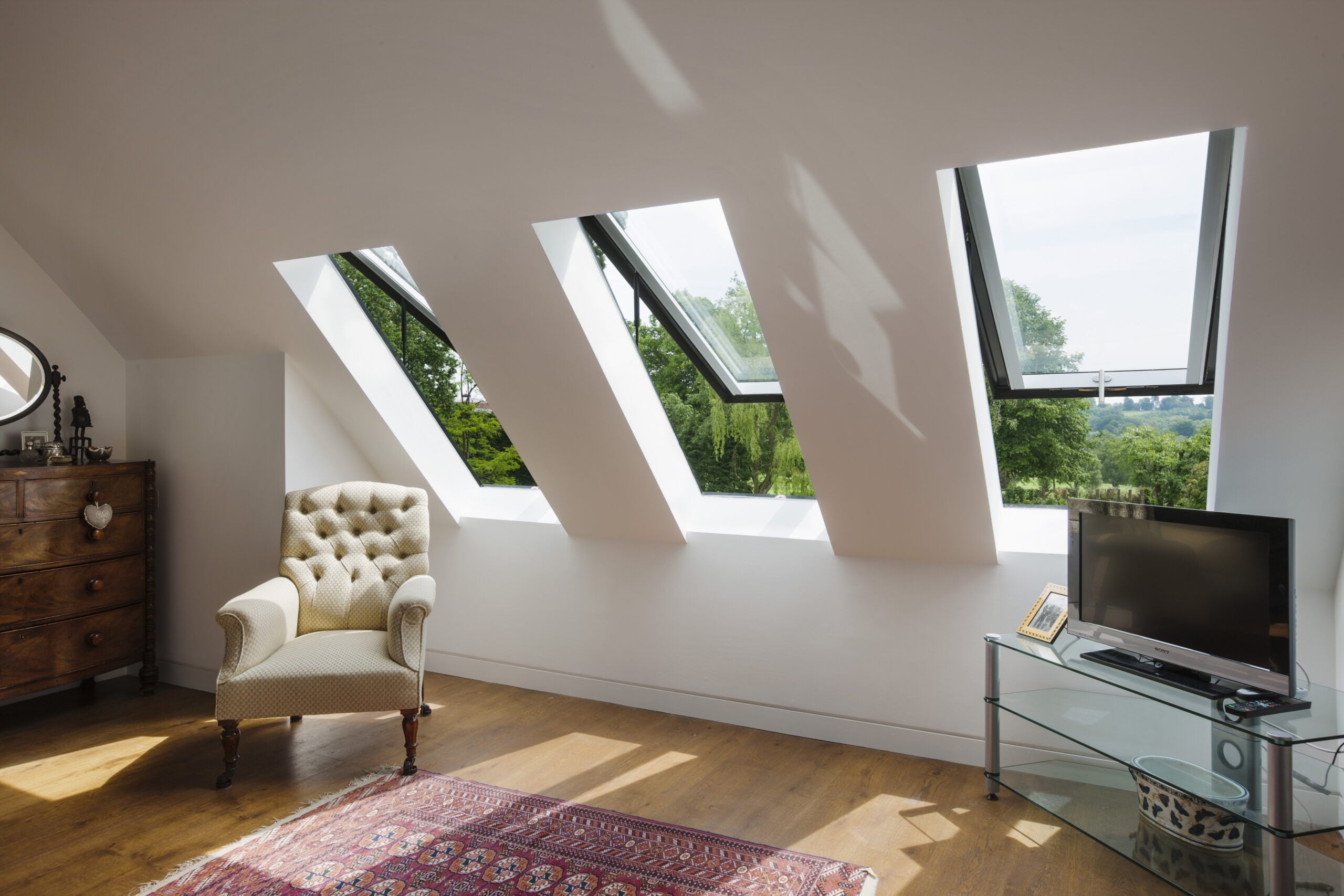
Interior shot of Neo Rooflight at Wraxall yard
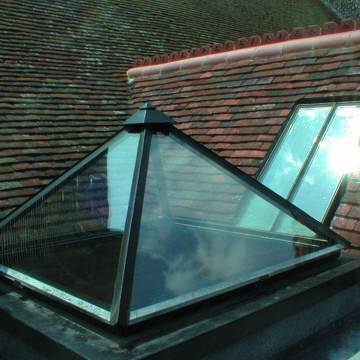
A pyramid rooflight with a conservation rooflight behind.

How do I choose the right skylight size?

Rooflights bring in sunlight, naturally heat homes, and give a bright and airy aesthetic to any room they are installed in. Differently sized rooflights will be able to provide different advantages and offer unique features. This makes choosing the right-sized skylight an important aspect of creating the perfect look, feel, and function of your building or home.

In order to pick the right rooflight size, you will first need to pick the right model. Here at The Rooflight Co, we offer a wide range of flat and pitched rooflights created to fit perfectly into almost any home – be it a conservation building or a sleek and modern home.  All of these models come with standard rooflight sizes and shapes. Depending on the type of roof you’re working with, the kind of building you have, and any unique requirements (such as glazing or opening method) – one of these standard sizes may be the right one for you.

See our complete guide to rooflights for a look into all our available models.

Once you’ve selected the right model, it’s also important to consider the size of your rooflight in relation to the room size to achieve the best result.

How to Choose the Right Rooflight Size Based on Room Area

When planning your rooflight installation, a simple, yet really useful guideline is to consider the size of your room. Natural light can transform a space, but to achieve the right balance, it’s important to choose a rooflight that provides enough glazed area without overwhelming the room.

A common recommendation is that the total glazed area should cover around 20–30% of the room’s floor area. As a general rule:

  • For brighter, lighter spaces, aim for closer to 30% of the floor area.
  • For a more subtle effect, around 20% may be more suitable.

Example:

If your room measures 36m², aiming for approximately 7m² to 11m² of glazing would help maximise natural light. This could be achieved with a single larger rooflight or a combination of smaller units, depending on the design you have in mind.

Choosing the right size not only enhances the feel of the space but can also improve energy efficiency and overall comfort. If you’re unsure what size would work best for your project, our team is happy to offer advice based on your room dimensions and requirements.

What are the standard rooflight sizes in the UK?

Our UK rooflight models and shapes follow a range of standard sizes. The rooflight width and length options will vary depending on the shape of the rooflight, opening options, and whether they are pitched or flat.

Our popular rooflight and skylight standard sizes cover all common rooflight sizes. Below, we share the most common size rooflights at The Rooflight Co.

Rooflight Type Installation Type Width Range Length Range
Conservation Rooflight Flash Slate Installation 532mm – 1141mm 780mm – 1895mm
Conservation Rooflight Standard Clay (On the Rafters) 412mm – 1021mm 520mm – 1635mm
Neo® Rooflight Flash Slate Installation 847mm – 1922mm 1142mm – 1977mm
Neo® Rooflight Standard Clay (On the Rafters) 727mm – 1802mm 882mm – 1802mm
Conservation Plateau Rooflight Flat Roof Installation 625mm – 2025mm 625mm – 2025mm

How do you measure a rooflight?

Rooflights are normally measured by using structural widths and lengths, or by using the viewable dimensions or the external finished kerb dimensions.

The structural width dimension is typically defined as being the distance between the inside faces of the structural rafters for the width, whilst the structural length is the distance between the inside faces of trimmers. The viewable dimensions are the area that you can see through the glazed area of the rooflight once it is installed. While this measurement may sometimes be offered, rooflights and skylights are more frequently measured with structural dimensions.

For flat rooflights, the dimensions often include the finished external kerb as well as the opening in your roof for your rooflight. The external kerb is the framework or mounting for your skylight to sit on, and it provides the interface between the roof and window to allow for proper water run-off.

What should you consider when choosing rooflight sizes?

Once you understand the dimensions and options available to you, there are still a number of factors you should consider before settling on a specific rooflight size. For example, you may want a specific rooflight size and shape, but building regulations or planning permission may not allow it. This can be especially true if you live in a world heritage site or in a conservation area. Although most skylights and rooflights are permitted development, it is always best to double-check with your local planning authorities.

Our guide on rooflight planning permission goes into more detail about government guidelines and when you may need planning permission.

Privacy

Another vital consideration is the positioning of your rooflight and how much privacy and natural light you would like throughout the day. A large rooflight may be ideal, but it may subtract from the peace and comfort of a room if your neighbours can easily peer in. You may want to consider motorised blinds or perhaps a different location or size for your rooflight altogether.

Natural Light

The way light enters your building can also be vastly different depending on where you install your rooflights. For example, south-facing rooms often receive a strong amount of sun throughout the day, and a smaller-sized rooflight may be more practical than an overly large one. If you want to install a rooflight in a north-facing room, which is the coolest and darkest room in a house, you may want a large roof window to bring in as much warm light as possible.

Energy Efficiency

Choosing the right size rooflight isn’t just about aesthetics or daylight – it also has a significant impact on the energy efficiency of your home. Larger rooflights may allow more natural light in, but they can also lead to greater heat loss if they don’t meet modern thermal standards. To ensure your home stays warm in winter and cool in summer, it’s important to check the U-Values of the rooflights you’re considering. A lower U-Value means better insulation and thermal performance, which can help reduce heating costs and improve overall energy efficiency. Always compare the U-Values of different products and choose ones that comply with or exceed building regulation requirements.

Learn more about rooflight U-Values and the legal requirements.

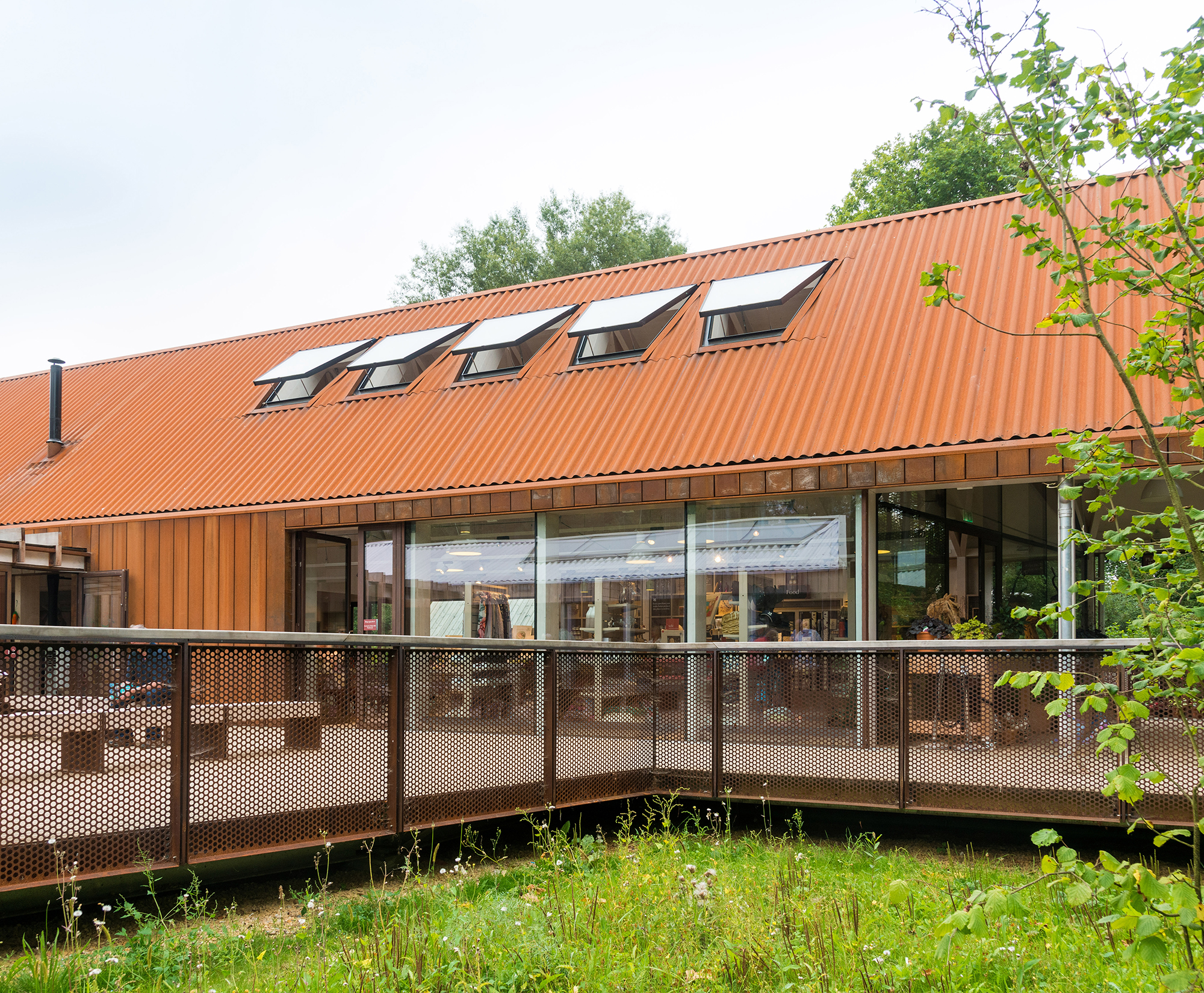
Mottisfont Abbey - Case Study
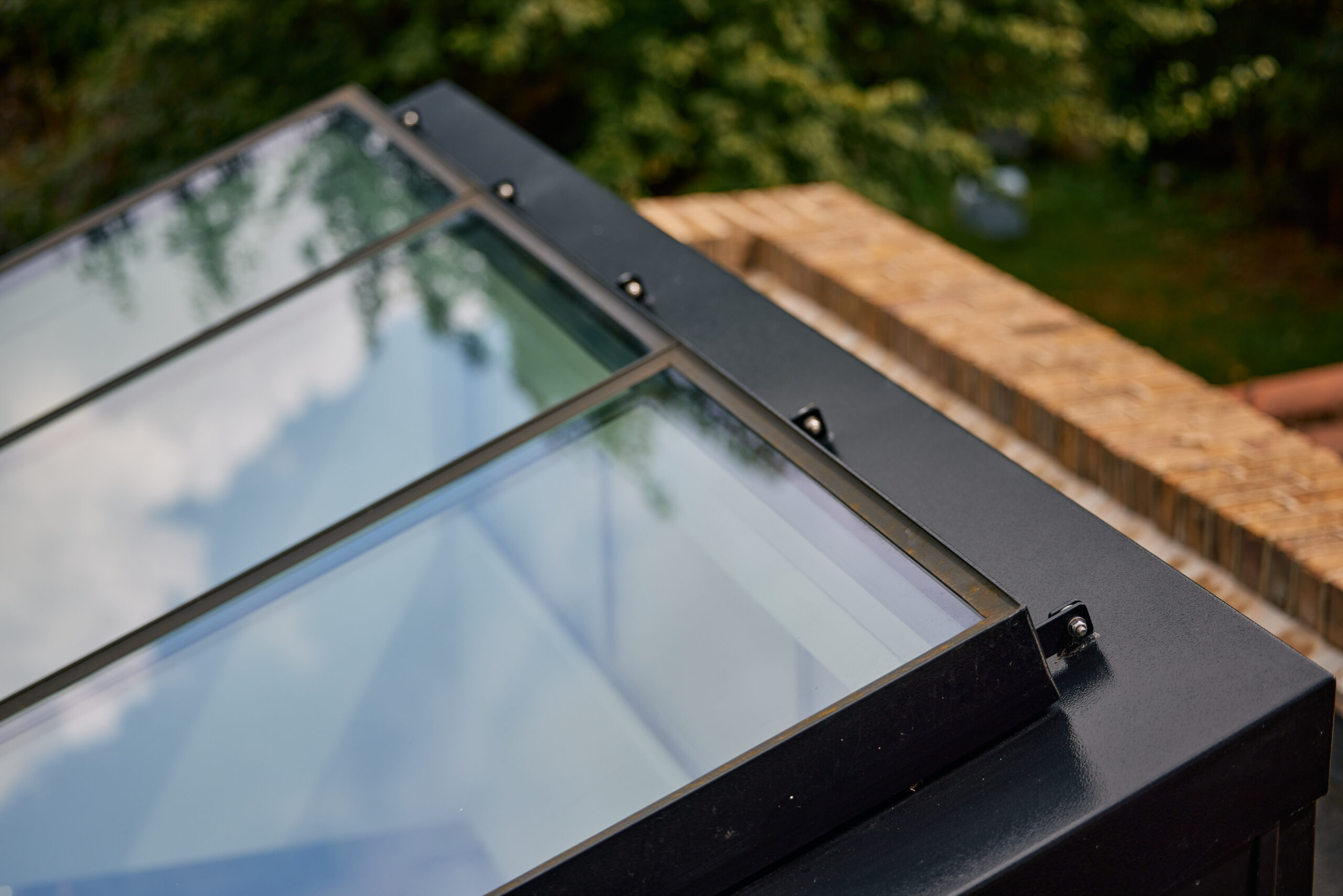
Bespoke Conservation Plateau Rooflight
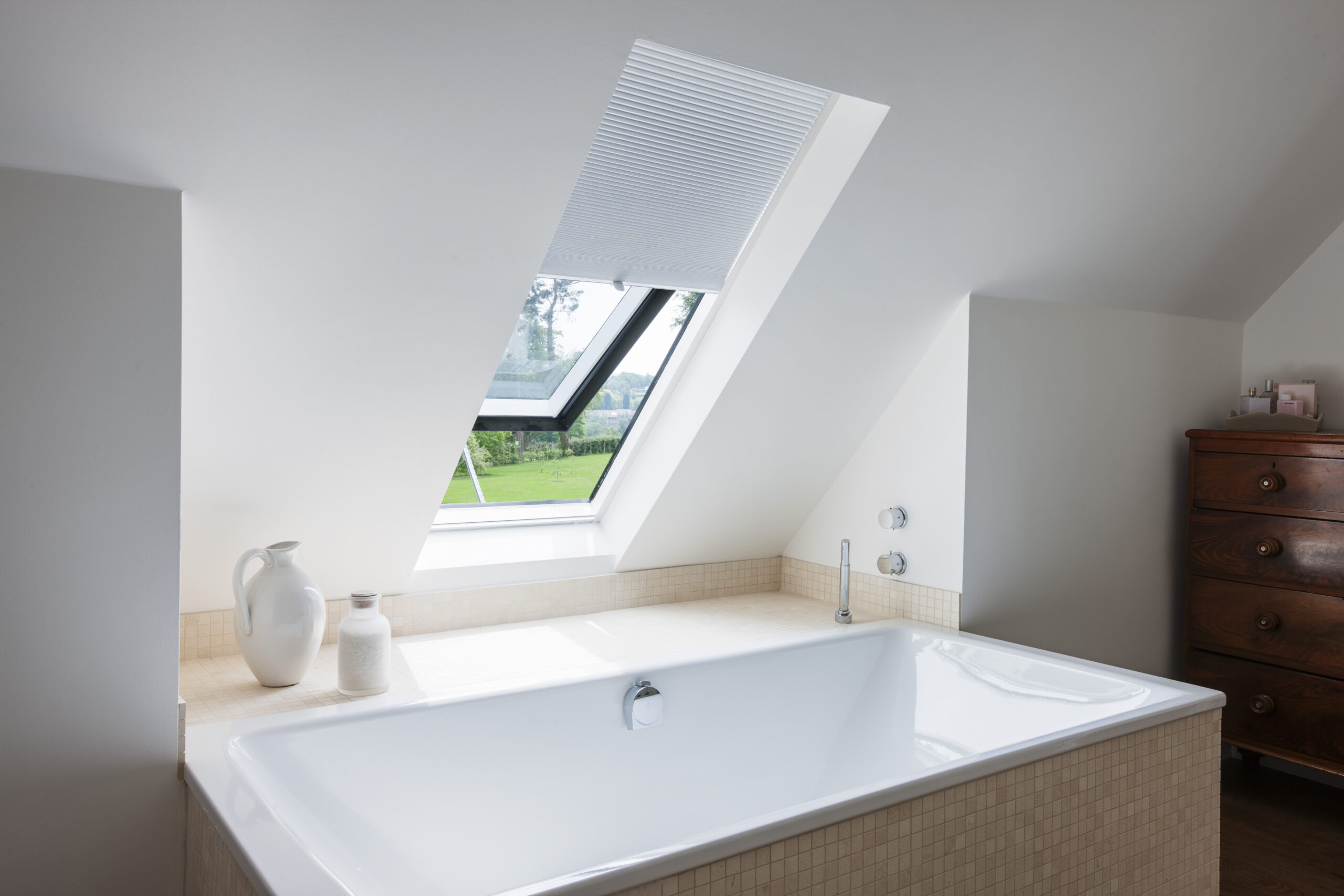
A pleated blind on a Neo Rooflight in a bathroom

The structural integrity of the rooflight

When you install a rooflight, it’s important to ensure that the existing roof structure is suitable to take the weight of any rooflights installed in the roof. This is more of a consideration for larger rooflight sizes as they are naturally heavier than their smaller counterparts.

What to consider when choosing a rooflight size

If you are installing a pitched rooflight in a roof for the first time, you will also need to consider the extra space required to install pitched rooflights flush with the roof surface. This typically means that an extra 120mm needs to be added to the width for ‘On the Rafter’ calculations, and at least 260mm added to the calculations for the length. This is compared to the measurements for ‘On the Rafter’ installation.

It’s also important to consider a rafter depth of at least 150mm that’s required for any ‘Between the Rafter’ installation in order for it to be viable. Sufficient rafter depth is required to allow the rooflight to be sunken down into the roof surface, whilst maintaining the necessary structural support for the rooflight weight.

Depending on the complexity of your project you may need a structural engineer to assist with determining suitability.

What does ‘On the Rafter’ and ‘Between the Rafter’ mean?

On the Rafter’ and ‘Between the Rafter’ refers to how the rooflight interacts with the structural rafters on the roof. As its name suggests ‘On the Rafter’ means that the rooflight is installed directly on top of your roof rafters, which typically leads to a proud installation where the rooflight casement sits above the level of the roof material.

Conversely, ‘Between the Rafter’ means that the rooflight is installed in the space between the roof rafters. This allows for the rooflight baseplate to be sunken into the roof surface to create the extra depth required to allow a flush finish. A flush finish is where the rooflight casement sits level with the surrounding roof surface. When installing a rooflight in this way, the rooflight will need to be secured to a sunken set of secondary bearer structures that are formed on the inside faces of the roof rafters at a depth to give the clean flush finish.

How big can a rooflight be?

The most common size for a rooflight is normally somewhere between 412mm to 3000mm in width and between 520mm to 2025mm in length. However, there are many choices and a great variety in styles, shapes and sizes. If you are looking for a size or shape that is not usually offered, there are many bespoke rooflights that can create the perfect skylight for your project no matter the size.

Bespoke rooflight solutions

With bespoke rooflights, your skylight can be as large as you would like and as building regulations allow. Bespoke rooflights can accommodate almost any size, shape, or style, creating the perfect solutions for architects or homeowners who need flexibility in design.

If you go bespoke, you will be able to completely customise your rooflight to satisfy any unique building requirements or project designs. Our UK-made bespoke rooflights can offer you unconventionally large sizes and complete freedom of choice when it comes to shaping, colours, finished, and materials.

What size rooflight is best for me?

The incredible variety and wide range of rooflights and skylights available make finding the perfectly sized rooflight for your project straightforward. The most common rooflight sizes chosen by homeowners vary, as it depends on the dimensions of your existing structure. The right-size rooflight for your project may come in a standard model and be ready-made and all-set for installation. This will lower costs and possibly cut down much of the lead time. However, if you require a rooflight that is either uniquely large or in an unorthodox shape, you will easily be able to find the perfect bespoke solution for your home.

Bespoke and standard rooflights and skylights for your project

Here at the Rooflight Company, we have nearly 30 years of experience in delivering high-quality and innovative rooflights to our customers. Whatever project you have in mind, our passionate designers and expert British manufacturers are able to craft it into a reality.

See our rooflight case studies for inspiration and a look into the bespoke solutions we have provided to satisfy our customers’ every preference. Explore our range of rooflights and skylights today to see if one of our standard models may be the perfect fit.

Please get in touch if you have any questions. Our friendly team would be happy to talk and help you find the perfect rooflight size for your project.


Share on Social Media

Other Articles For You

Understanding Building Regulations for Rooflights: A Guide to Approved Documents F, K, L and O

When to Upgrade Your Rooflight (and How It Enhances Your Home)

FMB Survey Shows Why Rooflight Choice Matters in the Planning Process

The Rooflight Co. & Nicholsons Rooted In Light Series: Part 3 – Our Vision

The Rooflight Co. & Nicholsons Rooted In Light Series: Part 2 – Healthy Spaces

Standard vs Recessed Rooflight Installation: Understanding the Difference

Homeowners and Self-Builders - Neo rooflights flood a living area with natural light - Homeowner Hub. Helpful Guides: A Guide to Pitched Roof Windows

The Rooflight Co. & Nicholsons Rooted In Light Series: Part 1 – Why Daylight Matters

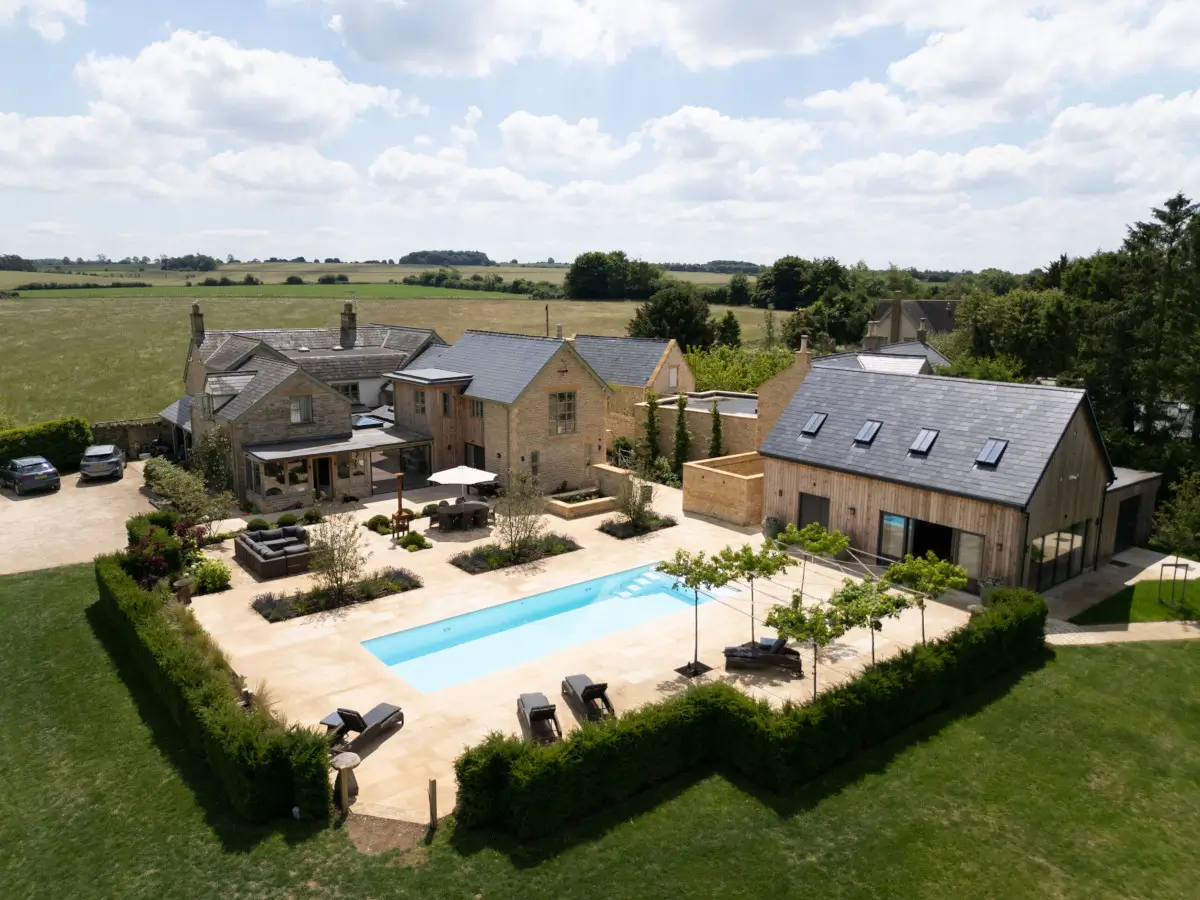
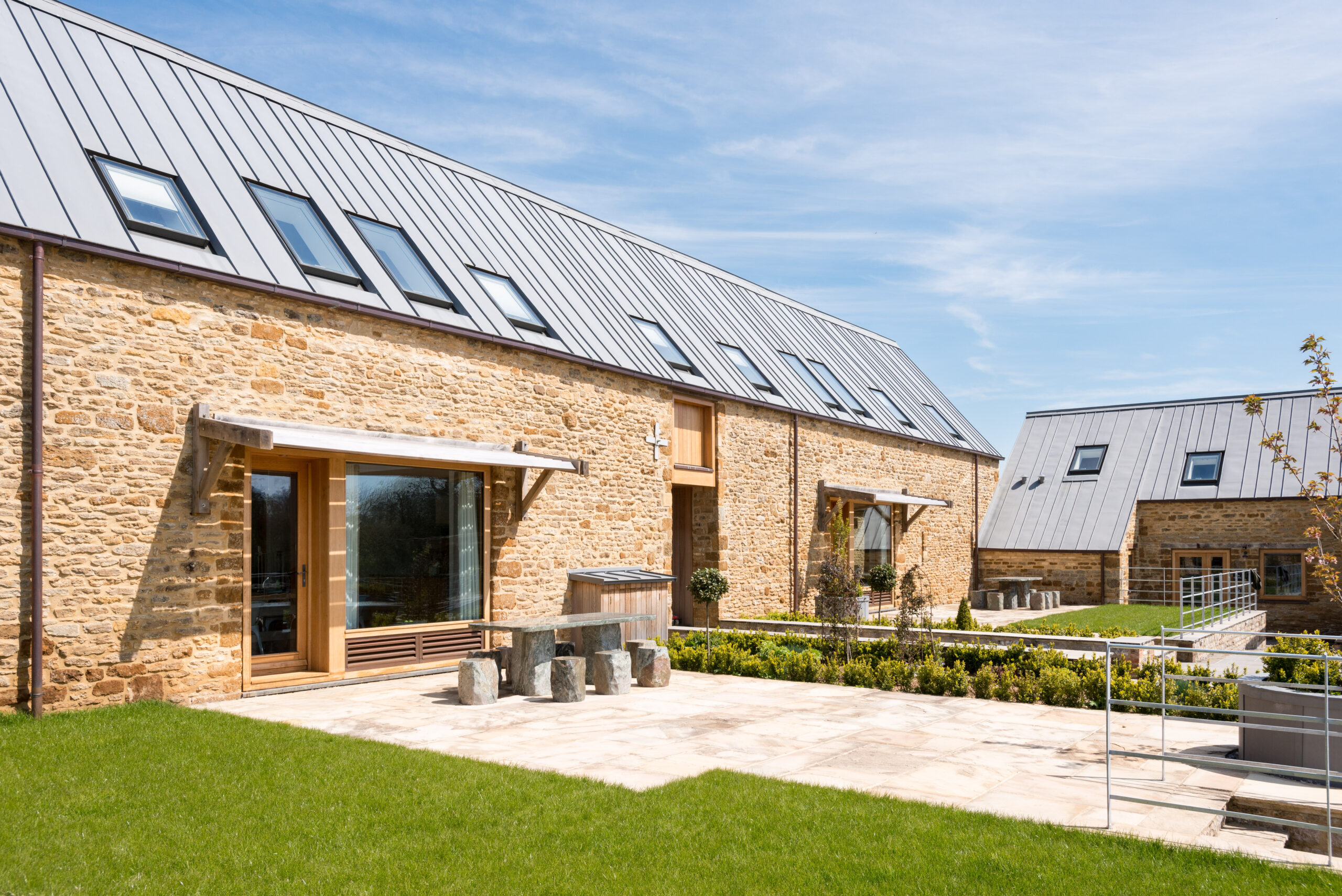
Courtyard view of Tew Farmhouse and Barns for the What Size Rooflight Do I Need? Blog - Contractor Hub header. Helpful Guides: What size of rooflight do I need?

Beyond the Landscape: How Neighbour Impact Can Affect Your Planning Permission

Talk To Our Technical Experts

Send us your details and our team will be in touch. 

TLC Logo June 2023-Solid Black

Connect With Our Technical Experts

TLC Logo June 2023-Solid Black

Register Your Product

Our standard terms and conditions of sale provide a warranty of 12 months from date of delivery. We recommend you register your products within this timeframe to extend your warranty, where applicable.

If you have more than one rooflight from The Rooflight Co, please enter all serial numbers below:
?
Serial number label found either:-
  • On the back of the O&M booklet supplied with the rooflight.
  • There is a sticker within the channel of the underside of the casement, visible when the casement is open OR Open the rooflight and the sticker will be located in an area that can't be seen when the rooflight is closed.
  • There is a sticker within the thermoliner channel (Channel on the baseplate), visible when the casement is open OR Open the rooflight and the sticker will be located in an area that can't be seen when the rooflight is closed.
TLC Logo June 2023-Solid Black

Education & CPD Requests

Select All That Apply