Popular Styles of Pitch Roof Windows
Choosing the right style of pitched roof window depends on your space, window height, and how you plan to use the room.
Below are the most common styles available, each offering unique benefits.
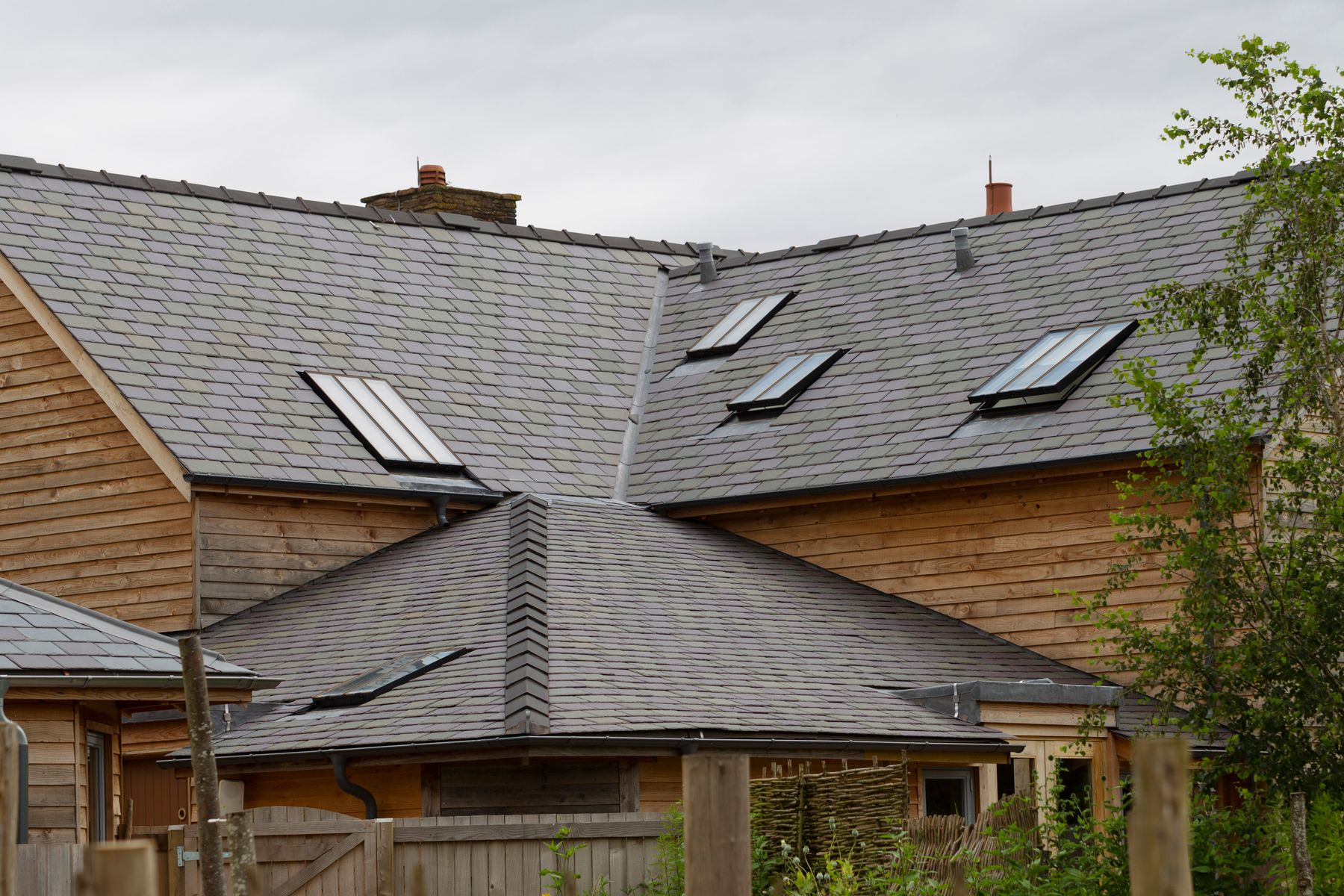
Centre-Pivot Roof Windows
✔ Best for high placement
✔ Easy to clean and operate
Centre-pivot roof windows open via a central hinge, allowing the sash to rotate 180 degrees.
This makes them easy to clean from inside the room. They’re particularly suited to higher placements in the roof, as the opening action won’t interfere with furniture or your line of sight.
Centre-pivot windows are cheaper than other types. They often come with control bars or rods for ease of use. They’re a great practical choice for lofts or stairwells, where ventilation and daylight are key.
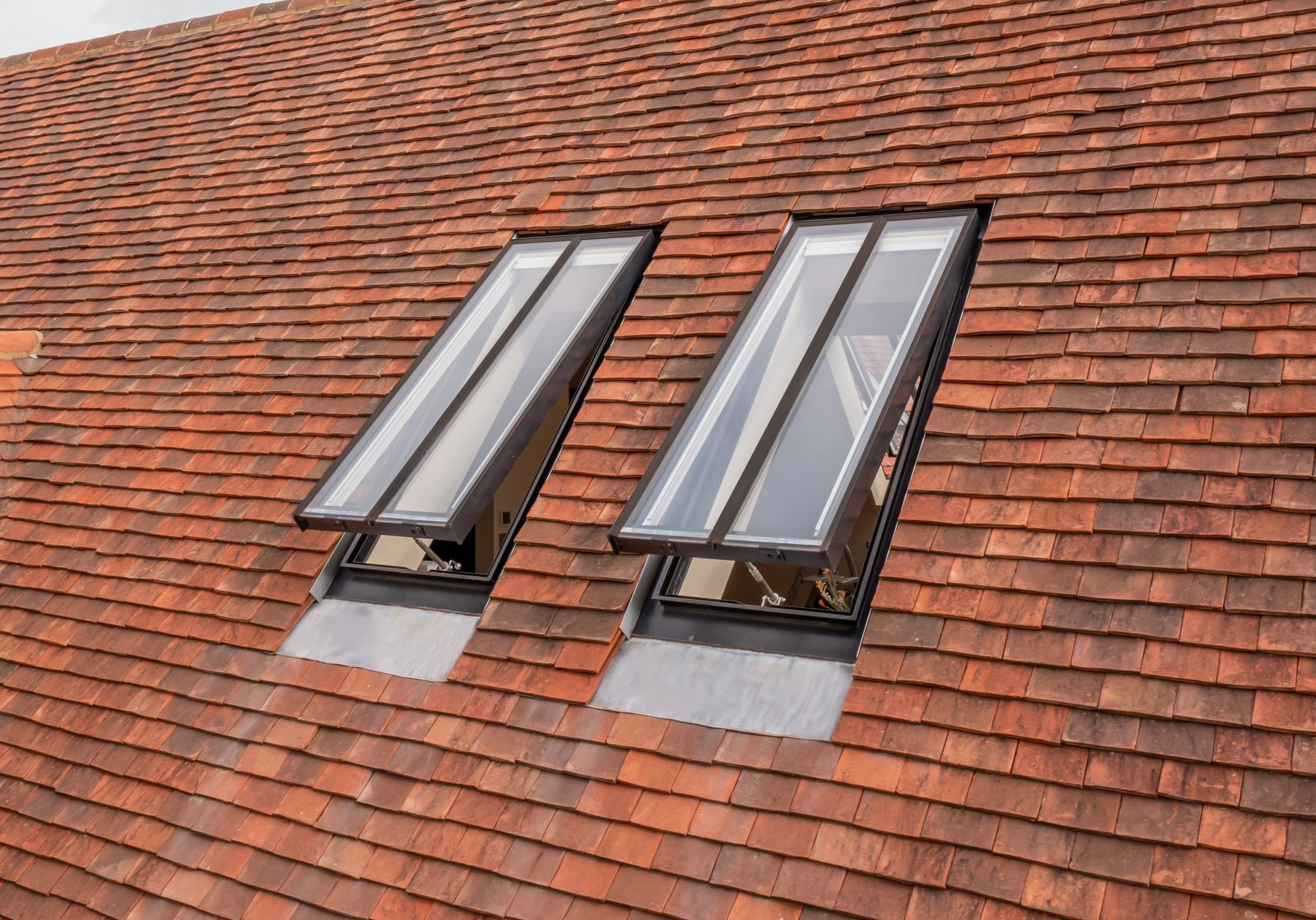
Top-Hung Roof Windows
✔ Ideal for eye-level installation
✔ Offers unobstructed views outside
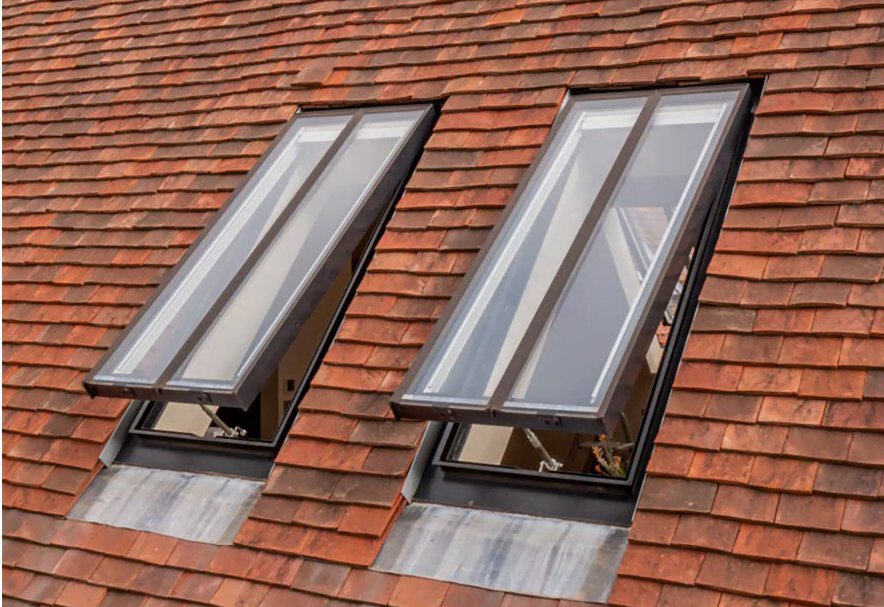
Top-hung windows open outward from the top, with the entire sash moving outwards.
This design gives you a completely clear view when open, making them perfect for windows at eye level or spaces where you want to connect the inside with the outside.
They’re a smart choice for rooms where you want to maximise natural ventilation. Although typically more expensive than centre-pivot styles, top-hung windows bring a more premium, architectural finish.
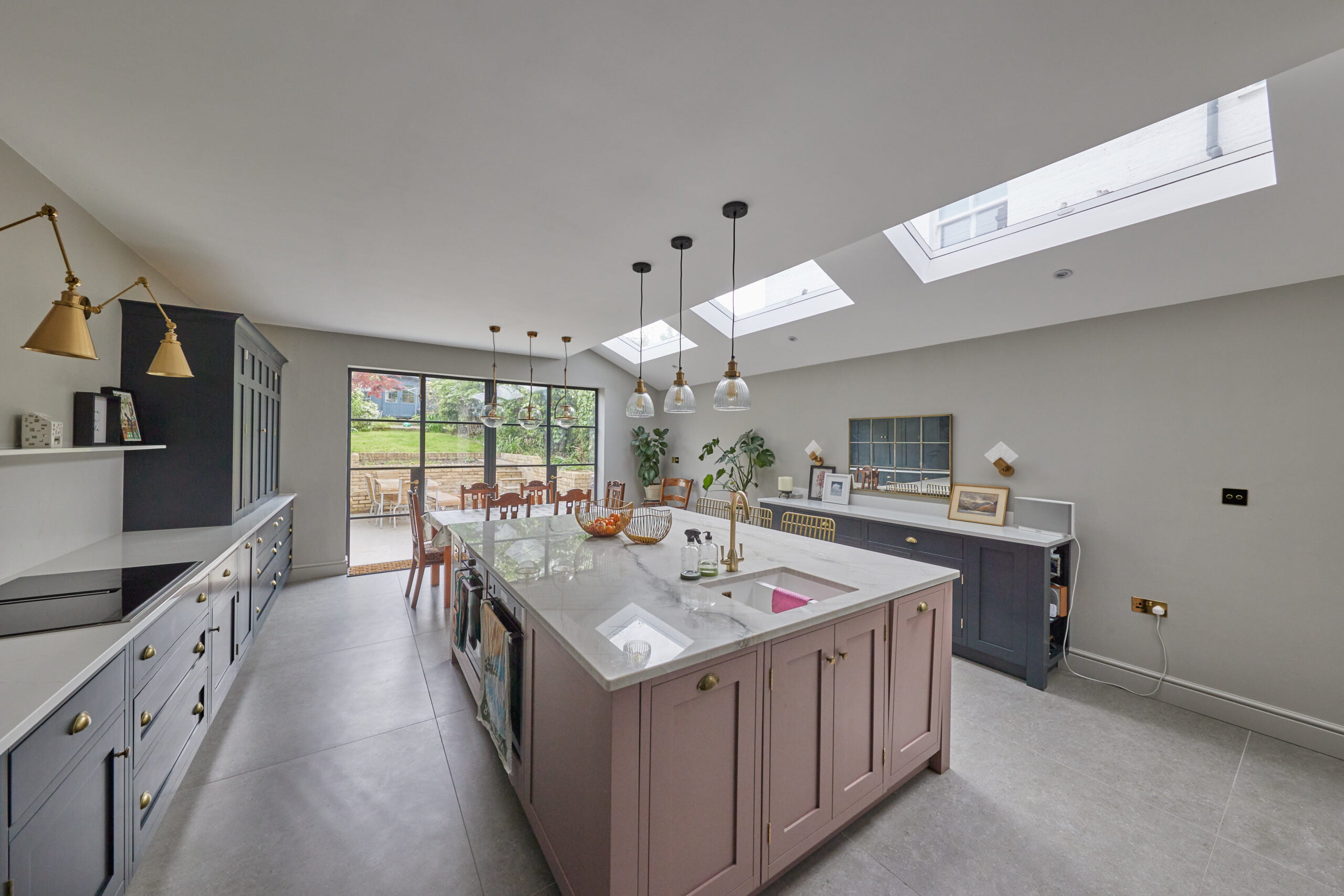
Fixed Skylights
✔ Brings in natural light
✔ Ideal for hard-to-access areas
Fixed skylights are non-opening units that allow light to flood into your space without the need for ventilation.
These are often used in areas where opening isn’t required, such as double-height ceilings, hallways, or above staircases.
While they don’t open, they provide a clean, modern look and are particularly useful when your goal is to maximise daylight.
Motorised or Manual Options
✔ Remote control for convenience
✔ Perfect for out-of-reach spaces
Both centre-pivot and top-hung windows can be operated manually or via a motorised system.
Motorised roof windows are ideal for high or awkwardly positioned installations, where manual opening would be impractical. With the touch of a button, you can open or close the window, control ventilation, and even automate based on temperature or rain sensors.
Manual options with extended rods are still popular for accessible placements, offering a simpler and more cost-effective solution.